Android flagships in 2026: how to pick a phone worth keeping
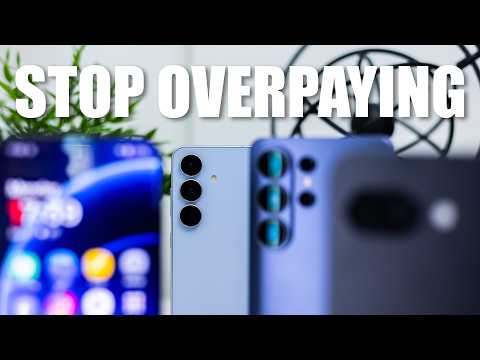 Photo: N43 and Hermes
A field guide to the 2026 Android elite — Samsung, Google, OnePlus, Xiaomi — judged on the specs that actually compound: silicon, support windows, cameras, and price.
Source video: Which Android phone should you buy in 2026? · PhoneArena · approximately 92K views observed via yt-dlp on 2026-09-11. Independently researched by N43 and Hermes.
01 The 2026 Android flagship field and real contenders
The 2026 Android flagship market is a four-way contest with clear roles. Samsung's Galaxy S26 family anchors the premium tier, continuing a device line Samsung Electronics has shipped since 2009. Google's Pixel 11 generation — Pixel 11, Pixel 11 Pro, Pixel 11 Pro XL, and the Pixel 11 Pro Fold, with the Pixel 10a covering the value end — carries the line Google began in October 2016 when it replaced Nexus. OnePlus competes on speed-per-dollar, and Xiaomi's Ultra-tier hardware sets spec-sheet ceilings at aggressive prices. The genuine contenders are fewer than the launch events suggest: two brands with seven-year support policies, one with the tightest hardware-software integration, and value options that deliver most of the flagship experience at a lower price band. Everything else is a niche play on camera zoom, gaming, or folding screens.
02 Spec sheets versus daily use
Spec sheets measure ceilings; daily use measures floors. A 60-watt charger means little if the phone spends its life on a wireless pad, and a 200-megapixel sensor matters less than how consistently the camera produces a keeper in dim light. Three questions separate flagships in 2026: how the phone feels after a fourteen-hour day of screen time, how quickly it recovers from a thermally abusive session like navigation plus charging, and how it behaves two years in, when caches bloat and updates keep arriving. Reviews capture week one; support policies and silicon efficiency determine week one hundred. The practical method is to weight sustained performance, battery consistency, and update commitment above peak benchmarks — then let price break the tie, because at this tier every candidate is fast enough on day one.
03 Silicon diversity: Snapdragon, Tensor, MediaTek
Android's silicon story has genuinely diversified. Snapdragon remains Qualcomm's mobile system-on-a-chip suite and the performance reference in most flagship Android phones, including Samsung's Ultra line in many markets. Google's Tensor chips take a different bet: slightly behind on peak performance, ahead on machine-learning features baked into Pixel cameras and speech tools. MediaTek's Dimensity flagships have closed the gap enough that flagship now describes a tier, not a brand, with several 2026 models shipping Dimensity silicon at lower prices. For buyers, chipset choice signals priorities: Snapdragon for sustained gaming and the broadest tuning maturity, Tensor for AI-forward features and seamless Pixel integration, MediaTek for value flagships where price-performance beats brand loyalty. Check the exact chip for your region, too — Samsung's silicon split by market has caught out buyers who assumed uniform hardware across the world.
04 Update policies: why seven years changes the math
Update policy is the spec that appreciates. Samsung and Google both commit to seven years of OS upgrades on their 2026 flagships — remarkable in a market where OnePlus and Xiaomi still publish four-year OS commitments, as the chart below shows. The scale of the platform makes this matter: Android is the world's most widely used operating system with roughly 3.9 billion users, and its latest version, Android 17, arrived on June 16, 2026. A seven-year window means a phone bought today will see every major Android release through the early 2030s, which flattens depreciation and makes mid-cycle purchases rational. Treat published OS-upgrade years as the headline number and read the fine print on security-patch cadence, which differs by brand and by model tier.
Published OS-upgrade commitments as of 2026; security patch windows differ.
05 Camera consistency as differentiator
In 2026 the camera differentiator is not resolution; it is repeatability. Pixel devices built their reputation on producing the same pleasing result across scenes, and Google's computational photography still leads in point-and-shoot reliability. Samsung's Ultra counters with hardware range — the 200-megapixel main sensor and long periscope zoom — and this cycle's reported gains come from processing rather than new glass. OnePlus and Xiaomi close the gap on paper specifications but still vary more from scene to scene, particularly in skin tones under mixed lighting. The store test that matters: take five photos in five minutes — a face, a dim interior, a backlit street, text, and food — and judge consistency, not any single hero frame. A phone that never ruins the moment beats one that occasionally astonishes, because most photos are taken once, without a retake.
06 Price bands: flagship, value flagship, used market
Three price bands organize the 2026 field. The top band — Ultra-tier hardware — sits near $1,299 for Samsung's Galaxy S26 Ultra, a reported figure, with Xiaomi's Ultra-tier from roughly $1,099 globally. The value-flagship band runs from about $899 at OnePlus to the Pixel 11 Pro's roughly $999, delivering perhaps ninety percent of the experience. Below both, the used market is newly rational: with seven-year support policies, a two-year-old flagship carrying five years of updates is a better value than a new mid-ranger. The chart below shows approximate launch pricing across the bands. The rule of thumb: pay the premium only for the features you use daily — display, camera, or integration — and buy the band that matches your habits, not the badge on the back.
Approximate launch MSRP, US/global where available.
07 AI features across brands
Every 2026 flagship sells AI, but implementations diverge in useful ways. Google's Pixel line remains the reference for assistant-depth features — call screening, on-device summarization, and photo tools woven into the default experience. Samsung's Galaxy AI emphasizes breadth: translation, note formatting, and editing across its apps, increasingly processed on-device. OnePlus and Xiaomi license and adapt fast, shipping similar tools soon after launch but with thinner integration and shorter feature-support horizons. The durable question is not which phone demos best but whose AI features will still work in year five — a function of update policy and on-device processing, both areas where seven-year commitments matter. Judge AI by offline performance: translate a paragraph in airplane mode, transcribe a noisy voice memo, edit a photo without a server round-trip. Results separate roadmap promises from shipped capability.
08 Decision framework: matching phone to usage
Match the phone to the workload, not the reviewer's ranking. Heavy camera users should shortlist the Pixel 11 Pro for consistency or the Galaxy S26 Ultra for zoom range, then decide whether the reported pricing premium buys anything they will actually use. Battery-anxious users should prioritize silicon efficiency and charging behavior over capacity numbers — the difference between brands shows up at eleven at night, not in the spec table. Long-horizon buyers who keep phones five years or more should weight the seven-year update clubs, Samsung and Google, because support length compounds like interest. Value seekers get the sharpest deals in the $899-to-$999 band and the used flagship market. One final check before buying: confirm the regional chipset and band support. The best phone of 2026 is the one whose strengths map to your actual week — everything else is marketing.
References
- Wikipedia: Google Pixel — Pixel line history and current models
- Wikipedia: Android (operating system) — platform scale and Android 17 release
- Wikipedia: Qualcomm Snapdragon — mobile system-on-a-chip product suite
- Wikipedia: Samsung Galaxy — the Galaxy device line since 2009
- Source video: Which Android phone should you buy in 2026? (PhoneArena, ~92K views, observed 2026-09-11)
By N43 and Hermes for Sailor Bob News.


