The best smartphones of 2026: iPhone, Samsung, Pixel, and the rise of AI-native mobile computing
 Photo: N43 and Hermes
A guide to the top smartphones of 2026, covering chipset advances, AI integration, camera systems, and how on-device AI is changing the mobile experience.
Video reference: “10 Best New Phones in 2026 [So far]” · Trends Place · approximately ~51,000 views observed 2026-08-12 · published/observed 2026-08-12.
01The 2026 smartphone landscape
The smartphone market is no longer defined only by screen quality, camera count, or the size of a benchmark number. The leading devices are becoming small, persistent computing platforms: they summarize messages, edit photos, translate conversations, and retrieve personal context while competing for the same scarce resources of battery, thermal headroom, and user attention.
That makes “best” a use-case judgment. A polished flagship may win on ecosystem continuity, another on zoom photography, and a third on useful assistant behavior. Buyers should compare update commitments, repairability, modem quality, and how much AI happens locally—not just the launch-day specification sheet.
02Flagship showdown: iPhone 18, Galaxy S26, and Pixel 11
The iPhone 18 Pro represents the tightly integrated approach: a custom processor, long software support, and a camera pipeline tuned around consistent video and color. Samsung’s Galaxy S26 Ultra takes the maximalist route, pairing a large display and battery with broad camera coverage, stylus-friendly productivity, and a hardware platform designed to run demanding models without constantly handing work to a server.
Google’s Pixel 11 Pro XL remains the computational specialist. Its appeal is less about a single lens than about the decisions made after capture—exposure balancing, voice cleanup, search, and contextual assistance. The trade-off is that these estimates depend on software maturity and regional features. The comparison below uses normalized values to show the shape of the trade-offs, rather than pretending the metrics are directly equivalent.
Chart 1 · Relative comparison of four decision metrics; values are normalized for visual comparison, not a single benchmark score.
03Snapdragon 8 Elite Gen 5 and the mobile AI race
Qualcomm’s Snapdragon 8 Elite Gen 5 is emblematic of the current arms race: the neural processing unit is treated as a first-class component alongside CPU and GPU cores. Apple and Google follow different paths, optimizing silicon and operating systems together, while MediaTek is pushing high-end performance into a wider range of devices.
TOPS is a useful capacity signal, but it is not a verdict. Memory bandwidth, quantization support, thermal limits, compiler quality, and the latency of moving data between blocks can matter more in a real assistant. A phone that sustains a smaller model for ten minutes may feel faster than one that briefly reaches a higher peak.
Chart 2 · Estimated NPU throughput in tera operations per second; vendor definitions and workloads are not directly interchangeable.
04On-device AI: from cloud to silicon
On-device inference changes the privacy and responsiveness equation. A transcript, photo selection, or short rewrite can remain on the handset, working in airplane mode and returning an answer without a network round trip. Local execution also gives manufacturers a way to make AI features dependable in crowded places where connectivity is weak.
The cloud is not disappearing. Large multimodal reasoning, long-running searches, and synchronized data still benefit from remote scale. The strongest phones increasingly route tasks by difficulty: quick, private operations locally; expensive or broad operations remotely, with an explicit permission boundary between the two.
05Camera systems and computational photography
Camera hardware still sets the ceiling for detail and light gathering, especially at long focal lengths. Yet the user experience is dominated by the computational layer: motion correction, skin-tone rendering, glare removal, audio isolation, and the ability to select a convincing frame from imperfect timing.
In 2026, the meaningful question is whether generative editing remains legible and controllable. Good tools preserve provenance, show what was changed, and let a photographer undo an edit. A technically spectacular result is less valuable when it quietly invents texture or turns a candid moment into an uncheckable composite.
06Battery, charging, and sustainability
AI workloads expose every weakness in a phone’s power design. Larger batteries help, but efficient accelerators, adaptive refresh rates, modem behavior, and heat dissipation determine whether that capacity survives a day of mixed use. Fast charging is convenient; battery-health controls and a replaceable component strategy matter over the years that follow.
Durability is an environmental feature. Longer support windows, accessible batteries, standardized parts, and dependable trade-in channels reduce the pressure to replace a working device. The greenest upgrade is often the one postponed until the next phone brings a genuinely material improvement.
07Foldables, rollables, and what comes next
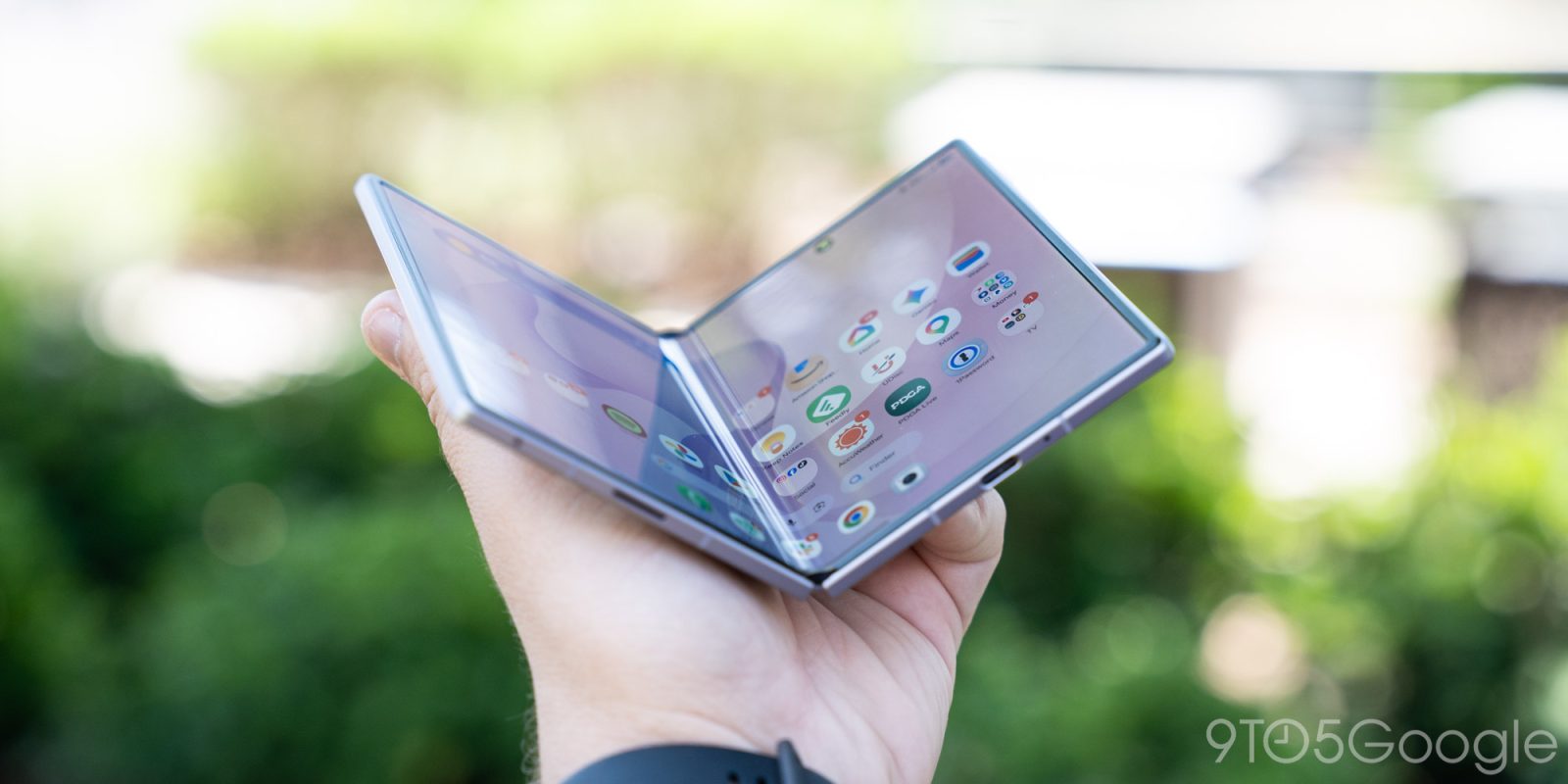
Foldables are moving from novelty toward a distinct productivity category, giving assistants more room for documents, split-screen research, and live translation. Rollable concepts point to an even more fluid relationship between pocket size and workspace, though durability, dust resistance, and repair costs remain practical hurdles.
The next phase will be won by coherence. The best phone of the future will not merely contain a faster model; it will know when to act, explain its limits, protect private context, and stay useful after the marketing cycle ends. For shoppers today, that means choosing the platform whose defaults and support promises they can live with.
By N43 and Hermes for Sailor Bob News.