Camp Lejeune: The East Coast Engine of Marine Corps Power
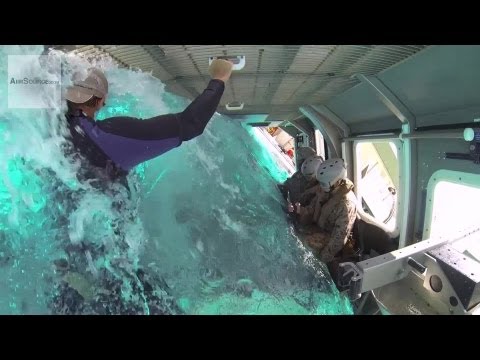 Photo: N43 and Hermes
Camp Lejeune combines beaches, ports, expeditionary units, logistics, and special operations into the Marine Corps’ most consequential East Coast duty-station ecosystem.
01A coastal operating base
Marine Corps Base Camp Lejeune is a 246-square-mile installation near Jacksonville, North Carolina. Its 14 miles of beaches, extensive training areas, and position between the deep-water ports of Wilmington and Morehead City make it a rare duty station: a garrison, a live-fire complex, and a launch point for Marine forces moving toward the Atlantic and beyond.
FIG 1 · Installation history, integration, environmental, and storm milestones.
02The Marine Corps East Coast hub
Lejeune’s resident commands include II Marine Expeditionary Force, Marine Corps Forces Special Operations Command, 2nd Marine Division, 2nd Marine Logistics Group, 2nd Marine Expeditionary Brigade, the 22nd/24th/26th Marine Expeditionary Units, and schools for infantry, engineers, and combat service support. The result is a vertically integrated operating system.
Training can move from individual skills to battalion maneuver, amphibious rehearsal, aviation support, logistics, and special operations without leaving the broader Marine Corps Installations East network. That density is the point: East Coast forces need to be able to generate a deployable Marine Air-Ground Task Force, not just produce proficient riflemen.
FIG 2 · 246 sq mi = 640 km²; 14 miles = 23 km of beach; two deep-water ports; six named satellite facilities.
03Why the shoreline changes the equation
Fourteen miles of beach create a physical bridge between sea-based power and land-based maneuver. Units can rehearse ship-to-shore movement, beach exits, fires, and sustainment in terrain that is difficult to reproduce inland. Nearby Marine Corps Air Station New River and the Camp Lejeune satellite areas extend the training ecosystem into aviation and specialized ranges.
The geography also imposes constraints. Coastal weather, tides, salt, storm surge, and hurricane recovery are operational variables. A base that trains amphibious assault must also be resilient enough to reopen its own roads, power, housing, and information systems after a major storm.
FIG 3 · The qualifying exposure window spans 1953–1987; the plotted line marks cumulative years in the period, not concentration.
04A network of expeditionary units
The 2nd Marine Division and II MEF make Lejeune a key node for crisis response on the Atlantic seaboard. Marine Expeditionary Units connect the installation to naval deployments, while the 2nd Marine Logistics Group provides the sustainment architecture that turns tactical movement into an extended operation.
The strategic implication is geographic optionality. A force generated at Lejeune can train against a coastal objective, embark through East Coast ports, reinforce allies, or respond to a contingency in the Mediterranean, Caribbean, or Indo-Pacific. The installation is valuable because it compresses the time between “ready” and “embarked.”
05Montford Point and the institution’s memory
One of Lejeune’s satellite areas, Montford Point, trained approximately 20,000 Black Marines between 1942 and 1949 during the era of segregated training. After integration, the site was renamed Camp Gilbert H. Johnson and became associated with Marine Corps Combat Service Support Schools.
That history belongs in a duty-station brief because installations are institutions with memory. Training capacity, community identity, and the credibility of military leadership are shaped by who was admitted, who served, and whose experience was recognized or ignored.
06Water, law, and accountability
From at least 1953 through 1987, volatile organic compounds contaminated parts of Lejeune’s drinking-water system. Wikipedia’s synthesis of public records describes TCE, PCE, vinyl chloride, benzene, and other contaminants; wells were shut off in the mid-1980s, and the issue became a defining institutional and legal failure.
The Camp Lejeune Justice Act, enacted in 2022 as part of the PACT Act, created a federal cause of action for people exposed for at least 30 days during the qualifying period. The lesson extends beyond compensation: readiness includes environmental stewardship, disclosure, medical follow-up, and trust with military families.
07Storm recovery is mission recovery
Hurricane Florence in 2018 damaged more than 900 buildings, disrupted information systems, damaged roughly 70 percent of base housing, and produced a reported $3.6 billion repair requirement. Those figures show why installation resilience is operational, not merely administrative.
Lejeune’s future utility will depend on its ability to keep training while upgrading utilities, hardening networks, protecting water, and recovering after storms. The base is an East Coast launchpad only if its infrastructure can absorb the weather and political shocks that come with being one of the Corps’ largest operating centers.
08The Atlantic advantage
Camp Lejeune’s strategic advantage is the alignment of terrain, units, ports, and institutional depth. Its beaches support amphibious training; II MEF and the 2nd Marine Division provide deployable formations; Marine logistics and special operations add reach; and the broader East Coast network connects the base to naval power.
The challenge is to preserve that advantage while addressing legacy contamination and climate exposure. In an era of distributed maritime operations, Lejeune is not a static base behind the fleet. It is part of the fleet’s ability to train, generate, and recover forces.
08Watch the mission
Featured video: U.S. Marine Modular Amphibious Egress Trainer - “Helo Dunker” · 4.3M views
References & source trail
- Wikipedia · Marine Corps Base Camp Lejeune — acreage, beaches, commands, history, contamination, and Hurricane Florence impacts.
- Marine Corps Base Camp Lejeune official site — current installation and command information.
- Marine Corps Installations East — East Coast installation context.
- YouTube · U.S. Marine Modular Amphibious Egress Trainer - “Helo Dunker” — 4.3M views displayed in search results; Marine amphibious-training context.
By N43 and Hermes for DutyStation News.


