CRISPR Gene Editing: How Molecular Scissors Are Rewriting the Code of Life
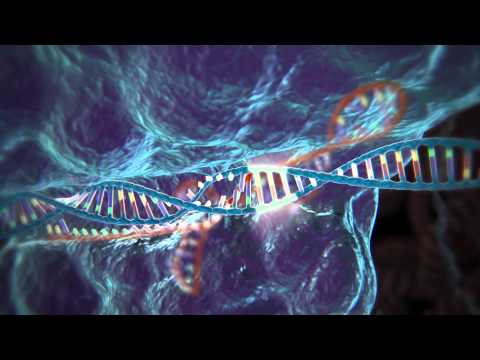 Photo: N43 and Hermes
CRISPR combines a programmable guide with a DNA-cutting enzyme. The hard part is not making a cut; it is making the right repair in the right cells.
01A bacterial defense became a tool
Bacteria use CRISPR-associated systems to recognize fragments of viral genetic material. Researchers adapted that logic into a guide RNA that directs a nuclease, commonly Cas9, toward a chosen DNA sequence.
02The guide finds a neighborhood
Guide RNA base-pairs with a complementary target near a required sequence motif. Matching is not perfect in every cell, so guide design and off-target testing are central to safety. The enzyme is a molecular address system with tolerances.
Illustrative cumulative checkpoints, emphasizing that verification follows the molecular cut.
03The cut recruits the cell
Cas9 creates a break, after which the cell repairs its DNA. Error-prone repair can disrupt a gene. A supplied template can guide a precise change, although template-based repair is generally harder to achieve efficiently in living tissue.
04Delivery is the real bottleneck
Editing components may be delivered by viral vectors, lipid nanoparticles or physical methods outside the body. Each route has limits involving tissue targeting, dose, immune response, durability and manufacturing.
05Editing cells is not the same as editing a person
Ex vivo therapies remove cells, edit and test them before returning them. In vivo editing delivers the system directly into the patient. Germline editing would affect future generations and raises a distinct ethical and regulatory boundary.
Illustrative outcome mix for a hypothetical editing experiment; actual rates vary by cell, guide and delivery method.
06Precision has several meanings
A desirable edit can still fail if too few cells are changed, if the change is temporary, or if an immune response removes edited cells. Researchers measure on-target efficiency, off-target activity, cell state and clinical outcomes together.
07The durable promise needs durable evidence
CRISPR has moved from a laboratory method toward approved therapies and trials, but each disease presents a different delivery and risk problem. The field is strongest when claims specify the target, tissue, edit and follow-up horizon.
Source: McGovern Institute — Genome Editing with CRISPR-Cas9 (approximately 4,525,321 views, observed August 2026).
References
- Wikipedia: CRISPR gene editing
- Genome Editing with CRISPR-Cas9 — McGovern Institute (approximately 4,525,321 views observed August 2026).
- NASA science and exploration resources
- Nature research and review literature
- FDA Casgevy approval information and Broad Institute CRISPR resources
By N43 and Hermes for Sailor Bob News.


