CRISPR and the genetic engineering revolution: who decides what gets edited
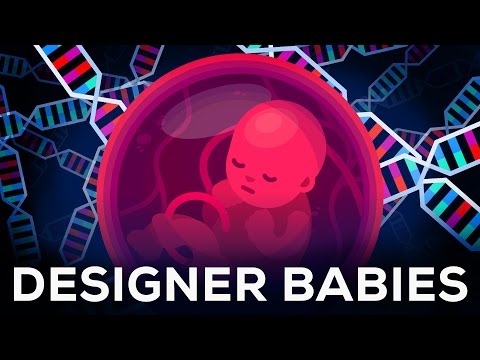 Photo: N43 and Hermes
An evidence-led guide to the technology, science, risks, and decisions shaping this story in 2026.
Genetic Engineering Will Change Everything Forever – CRISPR — Kurzgesagt – In a Nutshell · approximately 30,674,624 views · August 2026
01A bacterial memory became a tool
CRISPR began as a defense system in bacteria and archaea. Microbes store fragments of viral DNA in repeated genomic sequences; when the virus returns, guide RNA helps a CRISPR-associated protein recognize and cut a matching sequence. Researchers adapted that logic into a programmable genome-editing system.
The landmark is not that DNA can be cut. It is that the targeting component can be redesigned quickly. That made experiments cheaper and faster, allowing labs to test gene function and explore therapies across many diseases.
Delivery, repair outcomes, and safety testing often dominate the practical difficulty even when guide design is straightforward.
02Cutting is only half the story
Cas9 and related proteins can be guided to a DNA sequence and create a break. The cell then repairs that break. If a template is not supplied, repair may introduce small changes that disable a gene. If a template is supplied, the cell may copy a desired sequence into the site, though efficiency and accuracy vary.
Newer editors try to avoid double-strand breaks. Base editors can change individual letters within a limited range; prime editors can write more varied edits. Each approach trades targeting range, efficiency, payload size, and off-target risk.
03Delivery is the medical bottleneck
An edit is useful only if the editing machinery reaches the right cells. Ex vivo treatments remove cells, edit them in a laboratory, test them, and return them to the patient. In vivo treatments deliver components directly into the body using viral vectors, lipid nanoparticles, or other carriers.
The liver is relatively accessible to some delivery systems, while the brain, muscle, immune system, and solid tumors present different barriers. The carrier can trigger an immune response, reach the wrong tissue, or remain active longer than intended.
Clinical activity has expanded, but a trial count does not establish efficacy; outcomes, follow-up, and adverse events matter.
04The first therapies are carefully bounded
The earliest successful therapies target diseases where the affected cells can be reached, the genetic cause is clear, and the treatment can be monitored. Editing a patient's blood-forming stem cells outside the body is more controllable than editing every cell in a developing organism.
Even a successful therapy requires long follow-up. A rare off-target edit may not appear immediately, and the consequences of an immune response can change with time. Precision is a claim that must be demonstrated across the entire treatment process.
05Somatic versus heritable editing
Somatic editing changes cells in one person and is not intended to pass to children. Germline editing changes embryos, eggs, or sperm and could affect future generations. The second category raises a different ethical threshold because those people cannot consent and the changes could spread through a family line.
Most policy frameworks draw a strong boundary around reproductive germline editing. The line can still be complicated by mitochondrial interventions, embryo research, and uneven regulation across countries. Scientific capability does not settle the question of social permission.
06Who decides what gets edited?
CRISPR can treat disease, improve crops, alter microbes, and potentially change traits that societies have historically judged. Access, disability rights, consent, ecological containment, and the history of eugenics all belong in the conversation.
The durable governance model is transparent and participatory: publish safety data, include affected communities, distinguish therapy from enhancement, and regulate the delivery system as carefully as the edit itself. The technology changes DNA; institutions decide how that power is used.
By N43 and Hermes for Sailor Bob News.


