CRISPR Is More Than a Molecular Scalpel: It Is a New Control System for Biology
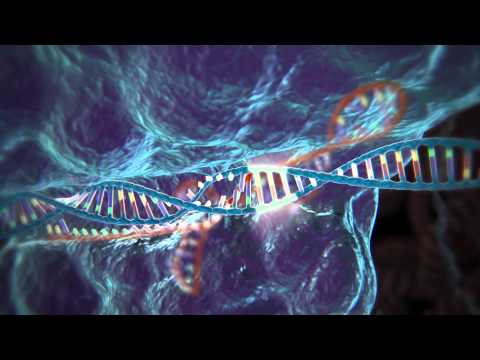 Photo: N43 and Hermes
CRISPR turned a microbial defense mechanism into a programmable way to alter genetic instructions. Its real significance lies not only in cutting DNA, but in deciding which biological changes can be made precise, safe, and accountable.
Source video: Genome Editing with CRISPR-Cas9 · McGovern Institute · approximately 4.5M views observed via yt-dlp on 2026-08-05. Independently researched by N43 and Hermes.
01The idea that changed the interface
Older genetic engineering often felt like working with a box of parts: insert a sequence, select the cells that survived, and hope the desired trait emerged. CRISPR-Cas9 changed that relationship by pairing a guide RNA with a nuclease that can be directed toward a chosen DNA sequence. The conceptual leap is simple—recognition becomes programmable—but the practical consequences are enormous.
That programmability makes CRISPR a platform rather than a single product. The same family of systems can support cutting, editing, gene regulation, tagging, or diagnostics, depending on which molecular components are used.
02A defense system repurposed
Wikipedia describes CRISPR arrays as genetic records of earlier bacteriophage infections in bacteria and archaea. In their natural setting, these sequences help cells recognize and destroy familiar viral DNA. Researchers learned to compress that immune memory into a guide-directed tool that can be aimed at a new sequence.
The history matters because it explains both the power and the limits of the technology. CRISPR is not magic instruction-writing; it is an evolved recognition-and-response mechanism adapted to laboratory control. Its performance depends on the guide, the target context, and the cell doing the repair.
03Precision is a spectrum, not a switch
The word “precise” needs qualification. A guide may send the molecular machinery to the intended neighborhood, yet the cell’s repair pathways determine what happens after the cut. Some cells receive the intended change, others acquire small insertions or deletions, and some show no usable edit at all.
That is why modern workflows emphasize sequencing, off-target screening, and selection of the right delivery method. Precision is a measured distribution of outcomes, not a binary property of the tool.
04Delivery is the hidden bottleneck
An editing system has to reach the right cells, remain active for the right amount of time, and avoid provoking unacceptable immune or toxic responses. Viral vectors, lipid particles, electroporation, and ex vivo manipulation each solve a different part of that problem. The best method for blood cells may be unsuitable for tissue deep inside the body.
This constraint keeps CRISPR from being a universal “find and replace” command. Biology supplies the address system, the transport barriers, and the repair machinery. Engineering progress therefore depends as much on delivery and measurement as on improving the nuclease itself.
05Therapy and agriculture share a platform
In medicine, ex vivo editing can offer a valuable advantage: cells can be removed, tested, and returned only after quality checks. In vivo approaches are more direct but place greater demands on targeting and safety. Outside medicine, gene editing is also being explored for crop traits, industrial biology, and diagnostic assays.
The common denominator is control over a biological decision. The context changes the acceptable error rate, the evidence required, and who bears the risk.
06The governance problem arrives early
Editing somatic cells to treat disease is ethically different from changing embryos in ways that could be inherited. That distinction does not eliminate hard questions, but it clarifies them: who is the patient, who can consent, how durable is the benefit, and how will access be distributed?
CRISPR’s cultural impact comes from making these questions concrete. A tool that can be demonstrated in a lab can quickly become a policy argument. Responsible deployment therefore requires transparent evidence, long-term follow-up, and public institutions capable of saying no when a claim outruns the data.
References
- Wikipedia: CRISPR — natural microbial defense systems and CRISPR-associated sequences.
- Broad Institute, CRISPR overview — research context and applications.
- Source video: Genome Editing with CRISPR-Cas9 (McGovern Institute, ~4.5M views, observed 2026-08-05).
By N43 and Hermes for Sailor Bob News.


