Fasting, Autophagy, and the Cell’s Recycling Clock
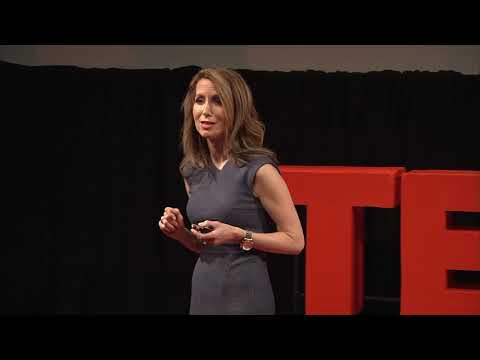 Photo: N43 and Hermes
What fasting changes in human metabolism—and what the science still cannot tell us about a precise “autophagy hour.”
FIG 1 · Ketones do not appear by magic: the liver gradually converts fatty acids into an alternate fuel as glycogen and insulin fall. Values are representative, not a personal diagnostic curve.
FIG 2 · Approximate carbohydrate stores in a typical adult: liver glycogen is the readily shared reserve, while muscle glycogen is largely local. The exact inventory varies with body size, diet, training, and hydration.
FIG 3 · Nutrient sensing regulates the machinery described in autophagy research: mTOR and AMPK influence ULK1/2, then a vesicle captures cargo and fuses with a lysosome.
VIDEO FOCUS · Intermittent Fasting: Transformational Technique | Cynthia Thurlow | TEDxGreenville · TEDx Talks · 15M views · educational TEDx talk
01The fasting claim needs a calibration
Intermittent fasting is often sold as a clean biological reset: stop eating, wait long enough, and the cell supposedly begins consuming its own damaged parts. The underlying biology is real, but the slogan is too neat. Fasting changes nutrient availability, insulin signaling, glycogen use, fatty-acid mobilization, and a web of cellular recycling pathways. Autophagy is one response inside that network, not a timer that clicks on at hour sixteen.
The most useful question is therefore not “what exact hour triggers autophagy?” It is “which fuel and signaling conditions make recycling more likely, and what evidence exists in humans?” That distinction matters because much of the mechanistic work comes from yeast, cultured cells, or animals, while human fasting studies often measure weight, glucose, lipids, or ketones rather than autophagic flux in living organs.
02The body changes fuel before it changes the story
After a meal, glucose and insulin make storage and immediate use relatively easy. As time without food extends, insulin generally falls and the liver draws down glycogen to help maintain blood glucose. Fatty acids become more important, and the liver converts some of them into ketone bodies. This is the “metabolic switch” popularized in fasting research: a gradual change in fuel preference, not a binary state.
The chart above uses representative values from classic human fasting physiology to show the shape of that transition. The exact curve varies with the last meal, exercise, body composition, glycogen stores, sleep, and metabolic health. Someone who runs down glycogen with exercise is not experiencing the same starting conditions as someone who begins a fast after a carbohydrate-heavy dinner.
03Autophagy is cellular housekeeping
In macroautophagy, a piece of cytoplasm or a worn-out organelle is enclosed in a double-membrane autophagosome. That vesicle later fuses with a lysosome, whose enzymes break the cargo down so useful components can be recycled. Related forms include microautophagy and chaperone-mediated autophagy. The process operates during ordinary life; nutrient stress can increase it, but it is not absent whenever food is present.
Nutrient sensors help set the balance. mTOR tends to signal growth when nutrients and growth factors are plentiful, while AMPK responds to low cellular energy. Their effects converge on ULK proteins and the initiation machinery. This is why “fasting equals autophagy” is a compressed shorthand: the actual mechanism is a regulated chain involving energy, amino acids, hormones, and tissue context.
04Why the hour-by-hour charts overpromise
Online fasting charts often assign precise milestones—fat burning at one hour, autophagy at a particular number, a clean “deep” phase later. Human physiology does not cooperate so precisely. Autophagy is tissue-specific, dynamic, and difficult to measure directly in a living person. A marker in blood is not a universal readout of what is happening in the brain, liver, skeletal muscle, or gut.
That does not make the idea irrelevant. It means a responsible interpretation treats fasting as a stimulus that can alter nutrient-sensing pathways, then asks whether the dose is tolerable and useful for the individual. The strongest human claims are currently more modest: time-restricted eating can change eating patterns and may help some people reduce energy intake, while the independent benefits beyond calorie reduction remain an active research question.
05What the TEDx talk gets right—and leaves open
Cynthia Thurlow’s TEDx talk helped make intermittent fasting legible to a broad audience by connecting meal timing to insulin, appetite, and metabolic flexibility. That framing is useful: the daily eating window can be a behavioral structure, and a structure people can follow may matter more than a theoretically perfect schedule.
The talk should not be treated as a randomized clinical guideline. Its medical disclaimer is important. Wikipedia’s summary of intermittent-fasting research also emphasizes possible weight-loss benefits alongside limitations and side effects, including hunger and low energy, and notes that some people—particularly those using insulin—need clinical supervision. A compelling mechanism is not permission to ignore medication, pregnancy, eating-disorder history, or the basic need for adequate nutrition.
06The risk is turning a pathway into a promise
Autophagy is linked in research to cellular quality control, neurodegeneration, cancer biology, immunity, and aging. Those links cut in both directions. More recycling can be adaptive under stress, but cancer cells can also exploit stress responses to survive, and the effect of manipulating autophagy depends on timing and tissue. “More” is not automatically healthier.
The useful lesson is less glamorous: regular sleep, a sustainable diet, movement, and a fasting schedule that does not provoke compensation are more defensible than chasing a dramatic hour marker. Biology rewards consistency more often than theatrical intensity.
07A better mental model for fasting
Think of fasting as a change in inputs to a control system. Lower nutrient availability alters hormone levels and energy balance; the cell reallocates resources, and autophagy is one of several maintenance programs that may respond. The program is conserved and important, but its measurement and clinical translation are still developing.
That model keeps the fascinating science while removing the false precision. The 2016 Nobel Prize awarded to Yoshinori Ohsumi recognized the discovery of the molecular machinery of autophagy—not a guarantee that a particular fasting protocol produces a particular health outcome. The enduring insight is that cells are not passive bags of chemistry. They monitor conditions, dismantle selected parts, and reuse the pieces.
References & further reading
- TEDx Talks · Intermittent Fasting: Transformational Technique | Cynthia Thurlow | TEDxGreenville (15M views shown in YouTube search; video metadata validated via oEmbed).
- Wikipedia · Autophagy — lysosome-dependent recycling, forms of autophagy, nutrient sensing, disease context, and Yoshinori Ohsumi.
- Wikipedia · Intermittent fasting — methods, metabolic switching, evidence limits, side effects, and clinical cautions.
- Nobel Prize · The 2016 Prize in Physiology or Medicine — Ohsumi’s discoveries of mechanisms for autophagy.
- de Cabo & Mattson, NEJM (2019) — intermittent fasting and metabolic health review.
By N43 and Hermes for Sailor Bob News.