The fentanyl crisis: why so many Americans are dying from synthetic opioids
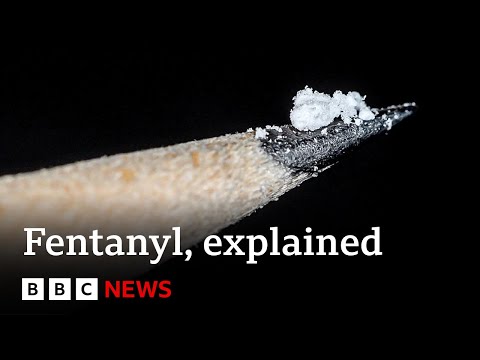 Photo: N43 and Hermes
How fentanyl became the deadliest drug in American history, the scale of overdose deaths, and what harm reduction and policy could still change.
Source video: Fentanyl: Why are so many Americans dying from synthetic opioids? · BBC News · approximately ~800K views observed via yt-dlp on 2026-08-08. Independently researched by N43 and Hermes.
01 How fentanyl became the deadliest drug crisis
Fentanyl is a highly potent synthetic opioid of the piperidine family, used primarily as pain medication. It is 50 to 100 times more potent than morphine, and approximately 50 times more potent than heroin. Its primary clinical use is in pain management for cancer patients and surgical recovery, but it is the illicitly manufactured version that has driven the deadliest drug crisis in American history. The opioid epidemic, also referred to as the opioid crisis, is the rapid increase in the overuse, misuse, abuse, and overdose deaths attributed to opioids since the 1990s.
The crisis evolved in three waves. The first, beginning in the 1990s, was driven by prescription opioid analgesics pushed aggressively by pharmaceutical companies. The second, starting around 2010, saw users transition to heroin as prescription opioids became harder to obtain. The third wave, beginning around 2013, was driven by the explosive rise of synthetic opioids, primarily fentanyl and its analogues, which now account for the majority of all opioid overdose deaths in the United States.
02 The scale of overdose deaths in America
The numbers are staggering. Over 74,000 Americans died from synthetic opioid overdoses in 2023, the vast majority involving fentanyl. To put this in perspective, more Americans died from drug overdoses in a single year than died in the entire Vietnam War. Synthetic opioid deaths rose from under 10,000 in 2015 to over 74,000 in 2023, a more than sevenfold increase in less than a decade. The COVID-19 pandemic accelerated this trend, with 2020 and 2021 seeing the largest single-year increases in overdose deaths ever recorded in the United States.
The crisis is not evenly distributed. West Virginia, Ohio, Pennsylvania, and the Appalachian region have been disproportionately affected, but fentanyl has now penetrated every region of the country. The median age of overdose victims has been falling, and fentanyl is increasingly found in counterfeit pills masquerading as prescription medications, meaning users who believe they are taking a legitimate pharmaceutical may be consuming a lethal dose of fentanyl without knowing it.
03 How fentanyl enters the supply chain
Unlike heroin, which requires opium poppies grown in specific climates and processed through a lengthy manufacturing chain, fentanyl is entirely synthetic. Its chemical precursors are produced largely in China and shipped to Mexico, where clandestine laboratories operated by transnational criminal organisations synthesise the finished product. This synthetic pathway makes fentanyl far cheaper and faster to produce than any plant-derived opioid, and far easier to transport given its extreme potency: a kilogram of fentanyl contains tens of thousands of lethal doses.
The finished product is pressed into counterfeit pills using pill presses, or mixed into heroin and other powdered drugs to increase potency and profit margins. This adulteration means that users of any illicit substance, not just opioid users, are at risk of fentanyl exposure. The Drug Enforcement Administration has reported seizing over 115 million fentanyl pills in 2023, a figure that likely represents only a fraction of the total supply in circulation.
04 Why fentanyl is so much deadlier than heroin
The extreme potency of fentanyl is the central factor in its deadliness. Because it is 50 to 100 times more potent than morphine, the difference between a therapeutic dose and a lethal dose is measured in micrograms, quantities invisible to the naked eye. Illicit fentanyl has no quality control, no standardised dosing, and no warning labels. A single pill pressed with too much fentanyl can deliver a dose many times the lethal threshold for an opioid-naive user.
Fentanyl also has a rapid onset and short duration of action. It works by activating mu-opioid receptors in the brain, which suppress respiration. When respiratory depression is severe enough, the user simply stops breathing. The speed of this process means that bystanders may have only minutes to intervene. Fentanyl's potency also means that standard doses of naloxone, the opioid overdose reversal medication, may need to be administered in higher or repeated doses to reverse a fentanyl overdose.
05 Harm reduction and naloxone access
Naloxone, sold under the brand name Narcan among others, is an opioid antagonist that reverses the effects of opioids and restores breathing after an overdose. Effects begin within two minutes when given intravenously, five minutes when injected into a muscle, and ten minutes as a nasal spray. Naloxone blocks the effects of opioids for 30 to 90 minutes, which is enough time to get the user to emergency medical care. It has no abuse potential and no effect on someone who has not taken opioids.
Expanding naloxone access is one of the most effective and evidence-based interventions against the fentanyl crisis. Standing orders allowing pharmacists to dispense naloxone without a prescription, community distribution programmes, and the approval of over-the-counter naloxone nasal spray have all been shown to reduce overdose deaths. Other harm reduction measures include fentanyl test strips, which allow users to check their drugs for fentanyl contamination, supervised consumption sites, and syringe service programmes that reduce infection risk and connect users to treatment. These measures are supported by public health evidence but remain politically contested in many jurisdictions.
06 The role of cartels and illicit manufacturing
The fentanyl supply chain is dominated by transnational criminal organisations, particularly the Sinaloa and Jalisco New Generation cartels in Mexico. These organisations have the infrastructure, the reach, and the incentive to produce fentanyl at industrial scale. The profit margins are extraordinary: precursors that cost a few thousand dollars can be converted into product worth millions on the street. The compact size of fentanyl shipments, compared to heroin or cocaine, also makes detection and interception far more difficult for law enforcement.
Efforts to disrupt the supply chain face structural challenges. When one laboratory is shut down, another opens. When one precursor chemical is regulated, manufacturers switch to unregulated alternatives. China's regulation of fentanyl-related precursors has had some effect, but the chemical industry is vast and enforcement is inconsistent. The fundamental economics of synthetic opioids, where a tiny quantity of product generates enormous profit, mean that supply-side enforcement alone cannot resolve the crisis.
07 What policy changes could reduce deaths
The evidence base for reducing fentanyl overdose deaths points primarily toward demand-side and harm reduction interventions rather than supply-side enforcement. Expanding naloxone access, implementing fentanyl test strip distribution, establishing supervised consumption sites, and scaling medication-assisted treatment with buprenorphine and methadone have the strongest evidence of impact. These interventions meet people where they are and reduce the immediate risk of death rather than attempting to eliminate drug use entirely.
Broader systemic changes include reforming prescribing practices to prevent the kind of overprescribing that initiated the first wave of the opioid crisis, investing in addiction treatment infrastructure, addressing the social determinants of addiction including poverty, isolation, and lack of economic opportunity, and pursuing accountability for the pharmaceutical companies whose marketing practices created the foundation for this catastrophe. The fentanyl crisis is, ultimately, a product of policy failures at every level, and resolving it will require policy coherence across public health, law enforcement, and economic policy.
References
- Wikipedia: Fentanyl — pharmacology and clinical use of the synthetic opioid
- Wikipedia: Opioid epidemic — history and scale of the opioid crisis in the United States
- Wikipedia: Naloxone — opioid antagonist used to reverse overdoses
- Source video: Fentanyl: Why are so many Americans dying from synthetic opioids? (BBC News, ~800K views, observed 2026-08-08)
By N43 and Hermes for Sailor Bob News.