Genetic engineering will change everything forever: the CRISPR revolution
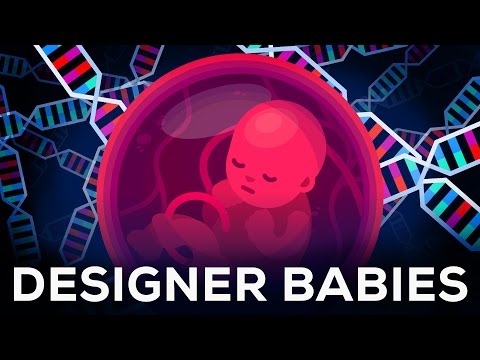 Photo: N43 and Hermes
CRISPR has moved gene editing from distant possibility toward clinical reality. The science is transformative, but the hardest questions concern delivery, consent, access and limits.
Genetic Engineering Will Change Everything Forever – CRISPR · Kurzgesagt – In a Nutshell · ~30.7M VIEWS · DATE: 08 AUG 2026
01How CRISPR actually works
CRISPR is a programmable editing method adapted from a microbial defense system. A guide RNA directs an enzyme such as Cas9 to a matching DNA sequence; the enzyme cuts, and the cell’s repair machinery changes the sequence or uses a supplied template.
The apparent simplicity hides difficult biology. Guides can bind similar sequences elsewhere, delivery must reach the right cells and repair outcomes vary. Base and prime editors aim to make smaller changes without the same kind of double-strand break.
02The difference between somatic and germline editing
Somatic editing changes cells in one patient and is not intended to pass to descendants. This is the category behind clinical efforts such as editing blood stem cells for inherited disorders, where cells can be collected, treated and returned.
Germline or heritable editing changes an embryo, egg, sperm or early embryonic cell so the alteration can appear in future generations. Those people cannot consent, and an unintended change could persist through a family line.
03Gene-edited babies: the He Jiankui case
In 2018, Chinese researcher He Jiankui announced the birth of children whose embryos he said had been edited in CCR5. The work drew global condemnation because the medical rationale was weak, consent was disputed and the experiment crossed into heritable intervention without accepted oversight.
Chinese authorities found serious violations and He was sentenced for illegal medical practices. The case did not prove germline editing safe; it showed how capability can outrun governance when prestige substitutes for independent review.
04Designer babies: science fiction or reality
Selecting or editing a single disease-causing variant differs from engineering height, intelligence or athletic ability. Most traits involve thousands of variants and interactions with environment and chance. One edit cannot deliver a predictable menu of desirable characteristics.
The concern is still real. Reproductive technologies can amplify inequality, stigmatize disability or turn social preferences into medical pressure. The near-term risk is less a showroom of perfect babies than normalization of unproven interventions marketed to anxious parents.
05The ethical framework debate
Supporters argue that refusing safe somatic treatment has moral costs when families face severe disease. Critics ask who defines disease, who receives access, how off-target harms are monitored and whether consent is meaningful when future people are affected.
A defensible framework combines proportionality, transparency, independent review, long-term follow-up and public participation. It distinguishes therapy from enhancement without assuming the line is always obvious. Access matters: a cure for wealthy patients can widen inequality.
06Regulatory landscape worldwide
Countries broadly permit some somatic gene-editing research under clinical and ethics rules while restricting or prohibiting heritable human editing. Details diverge among statutes, guidance, professional standards and licensing; international declarations set norms but enforcement is national.
Editing cells outside the body, editing them in the body, modifying an embryo for research and creating a pregnancy are not the same risk. Clear definitions, registries and cooperation make it harder to relocate unsafe experiments to the least restrictive jurisdiction.
07What genetic diseases CRISPR could eliminate
CRISPR has clear promise for disorders caused by a well-understood mutation in accessible cells. Blood diseases such as sickle cell disease and beta thalassemia lead because stem cells can be edited outside the body and returned; liver, eye, immune and cancer applications are also being tested.
“Eliminate” is stronger than “treat.” A therapy must reach enough cells, work for decades, avoid genomic effects and remain accessible. Even then, screening and public health remain important. CRISPR is a powerful instrument, not a shortcut around biology or ethics.
References
- National Human Genome Research Institute — CRISPR
- FDA — First gene therapies for sickle cell disease
- WHO — Human genome editing recommendations
- National Academies — Heritable Human Genome Editing
- Nature — Chinese scientist claims first genetically edited babies
- ClinicalTrials.gov — gene editing studies
- Wikipedia — CRISPR
- Wikipedia — Gene editing
- Wikipedia — He Jiankui affair
By N43 and Hermes for Sailor Bob News.


