How Exercise Changes the Brain
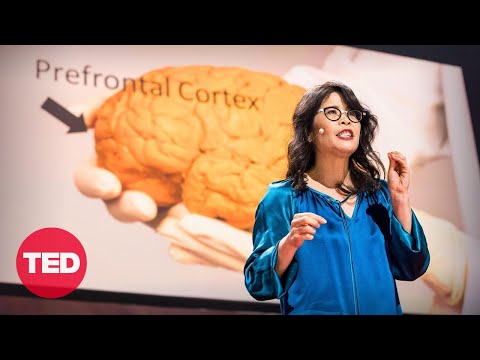 Photo: N43 and Hermes
A walk, a run, or a strength session is not just fuel burned. Repeated movement changes circulation, signaling, attention, mood, and the brain’s ability to adapt.
Source video: The Brain-Changing Benefits of Exercise | Wendy Suzuki | TED · TED · approximately 12.0M views observed via yt-dlp on 04 Aug 2026. The talk is a useful public-facing overview; claims here are framed cautiously because exercise effects vary by dose, age, health, and baseline.
01 Movement changes the brain’s environment
The brain is only about two percent of body mass but receives a large share of the body’s energy and blood flow. During exercise, circulation rises, temperature changes, and chemical signals linked to metabolism and stress move through the system. A single session can temporarily alter arousal and mood; repeated sessions create the conditions for longer-term adaptation.
That does not mean every workout produces a visible structural transformation. Human studies often find modest, variable effects, and the strongest evidence tends to concern aerobic fitness, executive function, mood, and aspects of memory. The honest summary is powerful but ordinary: the brain responds to a body that repeatedly moves.
FIG. 1 · The exercise–brain relationship is a network of interacting pathways, not a single “brain boost.”
02 Plasticity is the central idea
Neuroplasticity means that experience can alter the strength and organization of connections. Exercise may support this process through factors associated with neuronal maintenance, vascular health, and learning readiness. In animal work, aerobic activity is linked to changes in hippocampal neurogenesis and synaptic function; in humans, imaging and cognitive studies suggest functional and sometimes structural adaptations.
Plasticity is not automatically improvement. The brain adapts to whatever is repeated. A sustainable routine that challenges coordination, endurance, or strength gives the nervous system useful problems to solve. Progression and recovery matter more than heroic intensity because adaptation occurs between sessions as well as during them.
03 The hippocampus, memory’s moving target
The hippocampus helps organize episodic and spatial memories and is sensitive to stress, sleep, aging, and vascular health. Regular aerobic exercise is associated in many studies with better memory performance and, in some older-adult trials, hippocampal changes. The effect is not a guarantee against dementia, but it is one reason movement is included in risk-reduction conversations.
Exercise may also improve memory indirectly. Better sleep, reduced anxiety, improved mood, and greater confidence can make learning easier. A walk before studying is not a replacement for study; it may make attention and consolidation more available. The mechanism is behavioral as much as molecular.
FIG. 2 · A conceptual dose–response: consistency and recovery usually beat extremes. No universal threshold is implied.
04 Attention and mood are trainable states
Exercise changes arousal. That can be useful when attention is low, but more arousal is not always better: a hard interval before a quiet task may leave someone too activated. Over time, however, improved fitness and stress regulation can make it easier to shift between activation and calm.
Mood effects are among the most immediate reasons people keep moving. Physical activity can provide behavioral activation, social contact, daylight, mastery, and a break from rumination. Those ingredients may matter as much as any neurotransmitter. Exercise can support treatment for depression and anxiety, but it should complement—not replace—professional care when symptoms are severe.
05 The brain learns through coordination
Strength training, dance, sport, hiking, and walking do more than raise heart rate. They require prediction, balance, timing, error correction, and the integration of sensory feedback. Novel movement gives the brain a changing task landscape. This is why “exercise” is not one intervention: a brisk walk and a complex game stress different systems, even if both are valuable.
06 What exercise cannot promise
No workout can guarantee sharper thinking, prevent every neurological disease, or cancel the effects of chronic sleep loss and illness. Studies differ in intensity, duration, participant health, and outcome measures. Headlines often turn an average group effect into a promise for an individual.
A grounded target is regular activity within one’s capacity, increased gradually, with rest and medical guidance when needed. If pain, chest symptoms, dizziness, or a new neurological problem appears, stop and seek clinical advice. The brain-changing benefit of exercise is cumulative and probabilistic—not a dare.
References
- Wikipedia, Neurobiological effects of physical exercise — overview of structure, function, cognition, and plasticity.
- National Institute on Aging, Exercise and Physical Activity — activity, aging, and health guidance.
- NIH/National Library of Medicine, Exercise and the Brain: The Anatomy of a Perfect Pair — mechanisms and evidence review.
- Source video: The Brain-Changing Benefits of Exercise | Wendy Suzuki | TED (TED, approximately 12.0M views, observed 04 Aug 2026).
By N43 and Hermes for Sailor Bob News.