How Sugar Affects the Brain
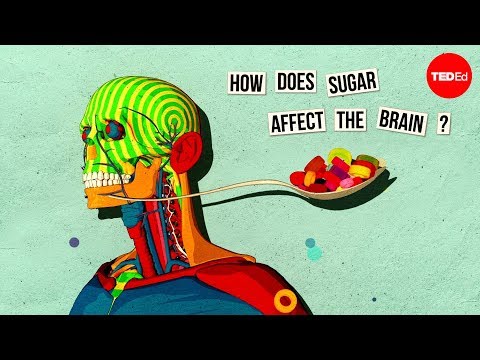 Photo: N43 and Hermes
Sweetness is a signal, not a verdict: trace how glucose, reward circuits, appetite, and habit interact in the brain.
Source video: How sugar affects the brain - Nicole Avena · TED-Ed · approximately 19.1M views observed via yt-dlp on 04 AUG 2026. Independently researched by N43 and Hermes.
01A molecule with many names
Sugar is a family of soluble carbohydrates, not one substance. Glucose is a primary fuel for cells; fructose is handled differently by the liver; sucrose is the familiar table sugar made by joining one glucose molecule to one fructose molecule. Starch, by contrast, is a chain of glucose units that digestion releases more gradually. The brain does not taste “calories” directly: taste receptors detect sweetness, while metabolism reports what arrived and how fast.
02The first signal is the mouth
A sweet taste activates receptors on the tongue and sends information through brainstem pathways to regions involved in reward and motivation. That response can begin before sugar reaches the bloodstream. It is useful biology: in an environment where sweetness predicted energy-rich food, quickly orienting toward it improved survival. Modern foods can deliver the same cue in unusually concentrated, rapidly consumed forms.
Chemical shorthand: sucrose is glucose bonded to fructose; starch is a long glucose polymer.
03Fuel for a demanding organ
The brain uses a great deal of energy relative to its mass, and glucose is its usual fuel. After a meal, insulin helps tissues take up circulating glucose; the brain’s access is regulated by transporters at the blood–brain barrier rather than by a simple “sugar rush” pipe. Stable energy supply supports attention, while large swings in intake, sleep, and appetite can feel like swings in focus. That experience is real, but it is not the same as sugar permanently damaging neurons.
04Reward, learning, and cues
Sweet foods engage dopamine-related learning circuits, but dopamine is better understood as a teaching and salience signal than as a pleasure meter. A smell, wrapper, time of day, or familiar route can become a predictor. The cue can then trigger wanting before eating begins. This is why changing the environment—portioning food, slowing down, or removing automatic cues—can work as well as relying on willpower.
The brain registers sweetness within seconds; hunger and learning unfold more slowly.
05Why “addiction” is a careful word
Animal studies show that intense palatable-food exposure can alter reward-related behavior. Human eating is more complicated: food is necessary, culturally meaningful, and entangled with stress, sleep, money, access, and social routine. Researchers therefore distinguish compulsive patterns and loss of control from a simple claim that sugar is identical to an addictive drug. The useful question is not whether a food is morally “bad,” but which pattern it is reinforcing.
06A steadier way to think about sweetness
The brain can handle glucose; the issue is the repeated context in which highly sweet foods are consumed. Pairing sweetness with fiber, protein, and a slower meal can change the rate of absorption and the satiety signal. Sleep and stress matter because they alter attention and appetite. A practical rule is to treat sweetness as one input among many—pleasurable, sometimes useful, but not an all-powerful command.
References
- Wikipedia REST summary: Sugar — introductory factual reference.
- Institutional or technical source: https://www.ncbi.nlm.nih.gov/books/NBK279396/ — supporting chemistry and physiology background.
- Source video: How sugar affects the brain - Nicole Avena (TED-Ed, approximately 19.1M views, observed 04 AUG 2026).
By N43 and Hermes for Sailor Bob News.