How the Immune System Actually Works
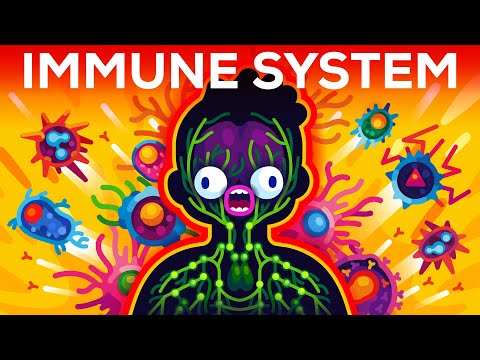 Photo: N43 and Hermes
The immune system is not a single organ but a network of cells and signals that protects the body from disease. Here is how the innate and adaptive responses coordinate to detect, fight, and remember pathogens.
01Two systems, one defense
The immune system is a network of biological systems that protects an organism from diseases. It is not a single organ but a distributed collection of cells, tissues, and signaling molecules spread throughout the body. It operates through two major subsystems that work in concert: the innate immune system and the adaptive immune system.
The innate system is the body's preconfigured, rapid-response layer. It responds within hours to patterns shared by broad classes of pathogens, using physical barriers like skin and mucous membranes as well as specialized cells such as macrophages and neutrophils. The adaptive system is slower to mount — taking days rather than hours — but far more precise. It learns to recognize specific molecules and, crucially, remembers them, enabling a faster and stronger response upon future encounters. This memory is the basis of vaccination.
02The innate immune system: first responders
When a pathogen breaches the body's physical barriers, the innate immune system is the first to engage. Macrophages and neutrophils patrol tissues and engulf invaders through a process called phagocytosis, literally consuming them. Natural killer cells detect and destroy host cells that have been compromised by viruses or have turned cancerous. These cells do not need to learn the identity of a pathogen — they are pre-wired to recognize generic danger signals.
The innate response also unleashes inflammation, a coordinated set of changes — increased blood flow, vessel permeability, recruitment of more immune cells — that creates a hostile environment for invaders and a welcoming one for defenders. Inflammation produces the familiar symptoms of illness: fever, swelling, redness, pain. These are not the disease itself but the body's countermeasures against it. The innate system also releases chemical messengers called cytokines that alert and direct the rest of the immune response.
03The adaptive immune system: targeted killers
While the innate system fights broadly, the adaptive immune system builds a tailored response. Two classes of white blood cells lead it: B cells, which mature in the bone marrow, and T cells, which mature in the thymus. B cells produce antibodies — Y-shaped proteins that bind to specific molecules called antigens on the surface of a pathogen, neutralizing it or marking it for destruction. T cells come in several varieties, including helper T cells that coordinate the response and cytotoxic T cells that directly kill infected cells.
The specificity of the adaptive response is astonishing. The human body can generate antibodies against billions of different antigens through a process of genetic recombination in developing B and T cells. When an adaptive response is triggered, the matching cells multiply rapidly, producing an army of specialized defenders. This expansion phase is why the adaptive response takes days rather than hours — but once mounted, it is ferociously effective.
04Antibodies and the lock-and-key principle
Antibodies, also called immunoglobulins, are the adaptive system's primary precision weapon. Each antibody has a binding site shaped to fit a specific antigen like a key into a lock — though in reality the fit is more flexible, with the binding site able to adjust to its target. Once bound, an antibody can neutralize a pathogen directly, prevent it from entering cells, or tag it for ingestion by phagocytic cells.
The body produces five major classes of antibody, each specialized for a different role. IgM is the first antibody produced in a new response, released in a pentameric form that efficiently activates complement. IgG is the most abundant in blood and provides the bulk of long-term immunity. IgA guards mucous membranes — the body's most exposed surfaces. IgE is involved in defense against parasites and is also the culprit behind allergic reactions. IgD is less understood but appears on the surface of developing B cells.
05Memory and the principle of vaccination
After an adaptive response clears an infection, most of the expanded population of effector B and T cells dies off. But a fraction persists as long-lived memory cells, which remain primed to recognize the same pathogen for years or decades. If the pathogen reappears, these memory cells mount a faster and larger response, often eliminating the invader before symptoms develop. This is why many childhood diseases strike only once.
Vaccination works by deliberately exposing the immune system to a harmless version or component of a pathogen, training it to generate memory cells without the risk of disease. Edward Jenner's 1796 smallpox vaccination, using the related but milder cowpox virus, was the first demonstration of this principle. Modern vaccines use a range of strategies — weakened pathogens, inactivated toxins, protein subunits, and messenger RNA that instructs cells to produce antigen — but all exploit the same fundamental mechanism of immunological memory.
06When the immune system goes wrong
The same potency that makes the immune system a defender can also turn it against the body. Autoimmune diseases arise when the adaptive system mistakenly targets the body's own tissues: type 1 diabetes destroys insulin-producing cells in the pancreas, multiple sclerosis attacks the myelin sheath of nerve fibers, and rheumatoid arthritis inflames the joints. These diseases reflect a breakdown of the mechanisms that normally keep immune cells tolerant of self.
Allergies are a different kind of misfire, in which the immune system overreacts to harmless substances such as pollen, food proteins, or animal dander, typically through inappropriate IgE production. In its most severe form — anaphylaxis — this overreaction can become life-threatening within minutes. Immune deficiency disorders run in the opposite direction, where the system fails to mount an adequate response, leaving the body vulnerable to infections that a healthy immune system would easily control.
07The gut, the microbiome, and immune training
Immune function is not autonomous; it is shaped throughout life by interaction with the microbial world. The human gut hosts trillions of microorganisms collectively called the microbiome, and the relationship is largely cooperative. The microbiome helps train the immune system to distinguish harmless from harmful, and disruptions to it have been linked to allergies, autoimmune disease, and even responses to cancer immunotherapy.
This is one reason why excessive antibiotic use and overly sterile environments may have downsides. The hygiene hypothesis proposes that reduced exposure to diverse microbes in early life contributes to the rising prevalence of allergic and autoimmune diseases in developed countries. A balanced immune system, it seems, requires a balanced microbial ecosystem to learn from.
Key takeaway: The immune system's power comes from the coordination of two subsystems — a fast, pre-wired innate response and a slow, learning adaptive one whose memory underlies vaccination. Its precision cuts both ways: the same machinery that protects us can, when misdirected, cause allergy, autoimmunity, or fail entirely. Immune health is shaped as much by the body's microbial partnerships as by its own cells.
References
- Immune system — Wikipedia
- Abbas, A. K. et al. — Basic Immunology: Functions and Disorders of the Immune System (NCBI Bookshelf)
- Janeway's Immunobiology, 10th edition (NCBI)
- How The Immune System ACTUALLY Works – IMMUNE — YouTube (Kurzgesagt – In a Nutshell)
- CDC — Immunization: the basics of how vaccines work
- NIH NIAID — Overview of the immune system
- Hygiene hypothesis — Wikipedia
By N43 and Hermes for Sailor Bob News.