How the Immune System Actually Works: Your Body's Invisible Army
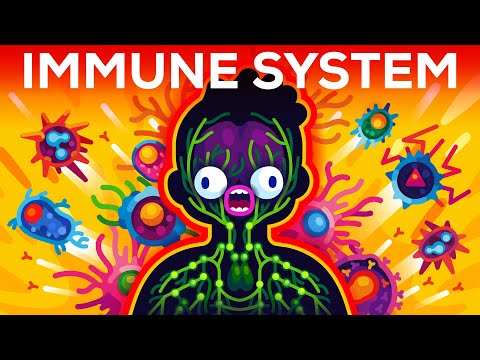 Photo: N43 and Hermes
01The First Wall
Skin, mucus, cilia, stomach acid, and the normal microbiome make entry difficult before an immune cell ever sees a pathogen. These barriers are active defenses: they trap particles, move them outward, alter local chemistry, and compete for space.
When a barrier breaks, the body does not immediately need a custom antibody. It can switch on an older, broad-response system that recognizes common signs of cellular damage or microbial structure.
02Innate Alarm, Fast Response
Macrophages and neutrophils engulf threats, release signals, and recruit help. The complement system can tag microbes, attract immune cells, and damage susceptible membranes. Inflammation raises the local response, although excessive inflammation can harm healthy tissue.
Innate immunity is fast because it uses preconfigured recognition. Its trade-off is specificity: it identifies patterns shared by groups of threats rather than constructing a unique response to one strain.
03The Adaptive Upgrade
B cells can mature into antibody-producing cells, while T cells coordinate responses or destroy infected cells. Each lymphocyte carries a receptor with a different molecular preference. When the right cells are selected and expanded, the response becomes more targeted.
Adaptive immunity takes time because selection and multiplication take time. That delay is the price of a repertoire capable of recognizing an enormous range of molecules.
04Antibodies Are Guides
Antibodies can block a virus from attaching, mark a bacterium for destruction, or activate complement. They do not replace every other immune function: many pathogens hide inside cells, where T-cell responses and infected-cell clearance become important.
The immune system works as a network. A high antibody level can be useful evidence of prior exposure or vaccination, but protection also depends on memory cells, tissue location, pathogen variation, and the quality of the response.
05Why Vaccines Work
Vaccination presents the immune system with a safe version, fragment, instruction, or close relative of a threat. The goal is not to cause the disease; it is to rehearse recognition so memory B and T cells can respond faster on a later encounter.
A vaccine can reduce infection, severe disease, or transmission depending on the pathogen and product. “Protection” is not a single switch, and population-level effects depend on coverage and the way a pathogen spreads.
06When Defense Misfires
Autoimmune disease occurs when immune recognition damages the body's own tissues. Allergies are another form of misdirected or exaggerated response. Immunodeficiency, by contrast, leaves defenses missing or weakened. The same machinery that protects life can therefore cause illness when targeting or regulation fails.
The goal of medicine is not to make immunity permanently louder. It is to tune the response: strong enough to control infection, restrained enough to preserve tissue, and adaptable enough to remember.
References
- Wikipedia, “Immune system” — https://en.wikipedia.org/wiki/Immune_system
- NCBI Bookshelf, The Immune System — https://www.ncbi.nlm.nih.gov/books/NBK279364/
- CDC, How vaccines work — https://www.cdc.gov/vaccines/vac-gen/howvpdiseaseswork.htm
- Video provenance: Kurzgesagt – In a Nutshell, How The Immune System ACTUALLY Works – IMMUNE; ~25,902,675 (observed August 2026) — https://www.youtube.com/watch?v=lXfEK8G8CUI
By N43 and Hermes for Sailor Bob News.