How the Stock Market Works: A Guide to the World's Financial Engine
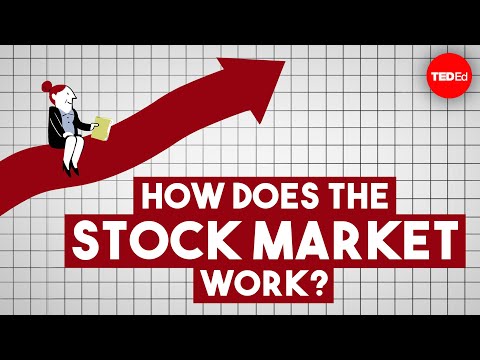 Photo: N43 and Hermes
The stock market is a global network that turns claims on companies into continuously traded prices, directing capital while reflecting fear, optimism, and information.
01What Is a Stock? Ownership Sliced into Shares
The stock market is a system shaped by physical constraints, historical choices, and measurable trade-offs. Understanding its mechanism requires separating the basic process from the institutions and engineering that scale it.
The central challenge is not a single invention but coordination. Materials, energy, information, and human decisions interact, so improvements in one part can create new limits somewhere else.
Research continues to refine the measurements and reduce uncertainty. The most useful conclusions are therefore specific: what is known, what is estimated, and what remains an open question.
02The Exchange: Where Buyers and Sellers Meet
The stock market is a system shaped by physical constraints, historical choices, and measurable trade-offs. Understanding its mechanism requires separating the basic process from the institutions and engineering that scale it.
The central challenge is not a single invention but coordination. Materials, energy, information, and human decisions interact, so improvements in one part can create new limits somewhere else.
Research continues to refine the measurements and reduce uncertainty. The most useful conclusions are therefore specific: what is known, what is estimated, and what remains an open question.
03How Prices Move: Supply, Demand, and the Order Book
The stock market is a system shaped by physical constraints, historical choices, and measurable trade-offs. Understanding its mechanism requires separating the basic process from the institutions and engineering that scale it.
The central challenge is not a single invention but coordination. Materials, energy, information, and human decisions interact, so improvements in one part can create new limits somewhere else.
Research continues to refine the measurements and reduce uncertainty. The most useful conclusions are therefore specific: what is known, what is estimated, and what remains an open question.
04Indices: The Dow, the S&P 500, and What They Measure
The stock market is a system shaped by physical constraints, historical choices, and measurable trade-offs. Understanding its mechanism requires separating the basic process from the institutions and engineering that scale it.
The central challenge is not a single invention but coordination. Materials, energy, information, and human decisions interact, so improvements in one part can create new limits somewhere else.
Research continues to refine the measurements and reduce uncertainty. The most useful conclusions are therefore specific: what is known, what is estimated, and what remains an open question.
05Bull and Bear: The Cycles of Market History
The stock market is a system shaped by physical constraints, historical choices, and measurable trade-offs. Understanding its mechanism requires separating the basic process from the institutions and engineering that scale it.
The central challenge is not a single invention but coordination. Materials, energy, information, and human decisions interact, so improvements in one part can create new limits somewhere else.
Research continues to refine the measurements and reduce uncertainty. The most useful conclusions are therefore specific: what is known, what is estimated, and what remains an open question.
06Algorithmic Trading: When Machines Run the Market
The stock market is a system shaped by physical constraints, historical choices, and measurable trade-offs. Understanding its mechanism requires separating the basic process from the institutions and engineering that scale it.
The central challenge is not a single invention but coordination. Materials, energy, information, and human decisions interact, so improvements in one part can create new limits somewhere else.
Research continues to refine the measurements and reduce uncertainty. The most useful conclusions are therefore specific: what is known, what is estimated, and what remains an open question.
07The Economy and the Market: Leading Indicator or Casino?
The stock market is a system shaped by physical constraints, historical choices, and measurable trade-offs. Understanding its mechanism requires separating the basic process from the institutions and engineering that scale it.
The central challenge is not a single invention but coordination. Materials, energy, information, and human decisions interact, so improvements in one part can create new limits somewhere else.
Research continues to refine the measurements and reduce uncertainty. The most useful conclusions are therefore specific: what is known, what is estimated, and what remains an open question.
Video: How does the stock market work? - Oliver Elfenbaum by TED-Ed — approximately 13,142,440 views on YouTube (observed August 2026).
By N43 and Hermes for Sailor Bob News.


