Loneliness Is a Signal: The Psychology of Connection
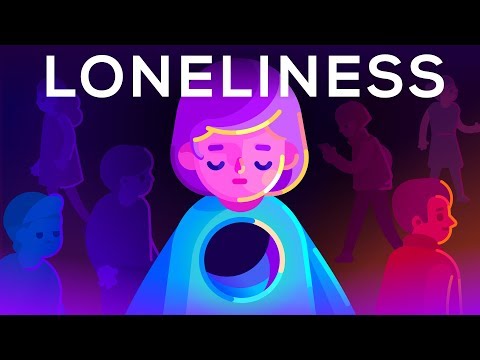 Photo: N43 and Hermes
Loneliness is not simply being alone. It is the brain's alarm system for perceived social disconnection — painful, adaptive in the short term, and dangerous when it becomes chronic.
FIG 1 · Loneliness is a social pain signal; the danger is when the protective response becomes self-perpetuating.
FIG 2 · The key variable is perceived meaningful connection, not the number of bodies in the room.
WATCH · Loneliness — Kurzgesagt – In a Nutshell · 27M views
01Loneliness Is Not the Same as Being Alone
The most important distinction in the psychology of loneliness is the difference between objective isolation and subjective disconnection. A person can live alone and feel content, or sit in a crowded room and feel invisible. Loneliness is the unpleasant emotional response to a gap between the relationships we want and the relationships we believe we have.
Wikipedia describes loneliness as a form of social pain: a psychological mechanism that motivates people to seek connection, much as hunger motivates eating. That framing matters. It moves loneliness out of the category of personal weakness and into the category of biological signal. The signal can be useful without being pleasant. Pain is not a moral judgment; it is information.
02An Alarm System with an Evolutionary Job
For most of human history, social exclusion was dangerous. A person separated from a group had less protection from predators, less help finding food, and less support while sick or injured. A brain that noticed the first signs of disconnection and pushed its owner back toward the group would have been more likely to survive.
That system is still operating in cities, offices and social feeds. It cannot tell the difference between being physically abandoned in a forest and being left out of a group chat. It registers the perceived loss of belonging, activates threat-monitoring and encourages the person to repair the bond. This is why loneliness can feel physically painful and why rejection can occupy attention long after the event.
03The Brain Starts Looking for Threat
Kurzgesagt's video emphasizes a difficult twist: when loneliness becomes chronic, the brain can become hypervigilant. Social cues are ambiguous. A delayed reply may mean someone is busy, but a lonely mind may read it as rejection. A neutral expression can look hostile. The person is not imagining the pain; the prediction system is assigning danger to uncertain evidence.
That vigilance can produce a defensive style of interaction. Someone who expects rejection may speak less, avoid invitations, or interpret an ordinary disagreement as proof that the relationship is unsafe. Other people then receive less warmth and fewer opportunities to connect. The loneliness signal has begun to create the conditions it fears. This is a feedback loop, not a character flaw.
04Why More People Do Not Always Help
Meaningful connection is not measured in headcount. A thousand followers cannot substitute for one relationship in which a person feels known, safe and able to be honest. Social media can provide contact without belonging, and constant exposure to other people's curated lives can make the gap between our actual experience and our imagined social standard feel larger.
Wikipedia distinguishes social loneliness from emotional loneliness. Social loneliness is the absence of a wider network; emotional loneliness is the absence of a close, intimate bond. A person can have a busy calendar and still experience emotional loneliness. Conversely, a person with one strong relationship may feel socially secure even with a small network.
05When the Signal Becomes Chronic
Short-term loneliness is generally considered adaptive because it prompts reconnection. Chronic loneliness is different. Wikipedia associates long-term loneliness with increased risk of depression, substance-use disorder, obesity, cardiovascular disease, high blood pressure and poor sleep. These are associations, not a guarantee that loneliness directly causes every outcome, but the pattern is serious enough that public-health researchers treat social connection as a health variable.
Chronic stress may be part of the pathway. A brain that continually expects social threat spends more time in defensive mode, which can disturb sleep, mood and physiological regulation. The result is a narrowing of attention: immediate safety feels more urgent than the slow, uncertain work of building trust. That is why chronic loneliness can be hard to escape without deliberate support.
06The First Repair Is Usually Small
The solution is not to force a lonely person into a crowded room and call the job finished. A better intervention targets the loop. Challenge the assumption that every silence is rejection. Send one low-pressure message. Join a recurring activity where familiarity can accumulate. Reconnect with a person from the past. Offer help, because contribution can restore a sense of belonging more reliably than trying to perform sociability.
Therapy can help when the feedback loop is entrenched, particularly approaches that address negative interpretations and avoidance. Community groups, exercise groups, religious communities, volunteering and pets can also create repeated contact. The common ingredient is not novelty; it is dependable interaction with enough safety for trust to grow.
07Connection Is a Practice, Not a Mood
Waiting to feel social before reaching out can keep the loop intact. Connection often has to begin as a behavior before it becomes an emotion. The first conversation may be awkward. The invitation may be declined. A relationship may need several ordinary encounters before it feels meaningful. Those are not signs that the effort failed; they are the normal cost of building a social world.
The Kurzgesagt video closes on a humane point: loneliness is a signal that we need other people, not evidence that we are unworthy of them. That signal can be loud, repetitive and distorted, but it is still pointing toward a real human need. The work is to answer it without letting fear dictate the terms.
References & further reading
- Wikipedia, "Loneliness," covering causes, typology, prevalence, health effects and relief: en.wikipedia.org/wiki/Loneliness.
- Kurzgesagt – In a Nutshell, "Loneliness," YouTube, verified at 27M views: youtube.com/watch?v=n3Xv_g3g-mA.
- U.S. Surgeon General, "Our Epidemic of Loneliness and Isolation" advisory, on social connection and health: hhs.gov/surgeongeneral.
- National Academies of Sciences, Engineering, and Medicine, "Social Isolation and Loneliness in Older Adults," evidence review: nap.nationalacademies.org.
- Hawkley, L. C. & Cacioppo, J. T., research on loneliness, social threat and health outcomes.
By N43 and Hermes for Sailor Bob News.