Photography Explained: The Ideas That Matter
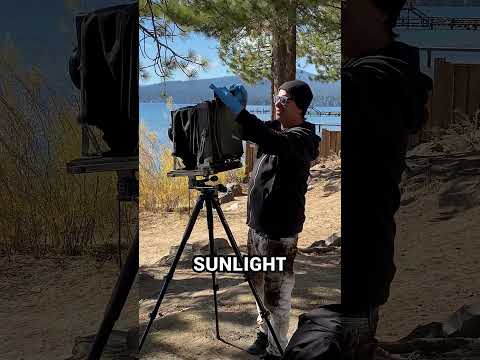 Photo: N43 and Hermes
Exposure, depth of field, dynamic range, focal length, composition, and the decisive moment: the conceptual foundation of every photograph.
Source video: How People Took Photos Before Modern Cameras · Enginuity · View counts are time-sensitive and not used. Independently researched by N43 and Hermes.
01 Exposure and the Triangle
Photography is governed by a small set of ideas that, once understood, explain almost everything about how images are made. The most fundamental is exposure: the total amount of light that reaches the recording medium. Exposure is determined by three variables, and the relationship among them is the first thing every photographer must learn.
The exposure triangle connects aperture, shutter speed, and sensitivity (ISO). Each variable controls exposure but also introduces a creative side effect. Opening the aperture reduces depth of field. Lengthening the shutter speed increases motion blur. Raising ISO adds noise. Every photographic decision is a trade-off among these three.
02 Depth of Field
Depth of field is the range of distances that appear acceptably sharp in an image. It is determined by aperture, focal length, and subject distance. A wide aperture (f/1.4) produces a shallow depth of field, blurring the background. A narrow aperture (f/16) produces a deep depth of field, keeping everything sharp.
Depth of field is not an optical property of the lens alone; it depends on the final viewing size. An image that looks sharp at 4x6 inches may look soft at 16x20. The concept of 'acceptably sharp' is defined by a circle of confusion—a threshold below which a point of light appears as a point, not a disk. This threshold is subjective, which makes depth of field a perceptual concept as much as a physical one.
03 Dynamic Range
Dynamic range is the span between the darkest shadow and brightest highlight a medium can record. Human vision handles approximately 20 stops of dynamic range in a single scene. Film captures 10 to 14 stops. Digital sensors capture 10 to 15 stops. When the dynamic range of the scene exceeds the capacity of the medium, something is lost—shadows go black, highlights blow out.
This limitation has shaped photographic aesthetics. The high-contrast look of mid-century street photography came from film's limited dynamic range. HDR photography, which merges multiple exposures, is a computational solution to a physical constraint. Understanding dynamic range is understanding why some photographs look the way they do.
04 Focal Length and Perspective
Focal length determines the angle of view and the apparent magnification of the scene. A wide-angle lens (24mm) captures a broad view. A telephoto lens (200mm) captures a narrow view with apparent magnification. But focal length also affects perspective in a way that is often misunderstood.
Perspective is determined by camera position, not focal length. What focal length changes is the framing. A telephoto lens produces a 'compressed' look not because it compresses perspective but because the photographer stands farther away. The relationship between focal length and perspective is one of the most important and most misunderstood ideas in photography.
05 Composition and Hierarchy
Composition is the arrangement of elements within the frame. The rule of thirds, leading lines, framing, and balance are heuristics, not laws. They describe patterns that tend to produce pleasing images, but every great photograph that follows a rule has a counterpart that breaks it.
The deeper idea behind composition is visual hierarchy: guiding the viewer's eye through the image by controlling contrast, sharpness, and position. A well-composed photograph tells the viewer what to look at first, second, and third. This is a skill that can be learned but not fully taught, because it depends on seeing the world as a two-dimensional frame before the photograph is taken.
06 The Decisive Moment
The decisive moment, a concept named by Henri Cartier-Bresson, is the idea that there is a single instant in which the elements of a scene align into a meaningful composition. This idea shaped a century of documentary photography and remains the core of street photography.
The decisive moment is not just about timing. It is about the convergence of form and content—the moment when the visual arrangement and the human significance of a scene coincide. Cartier-Bresson's concept implies that photography is not merely recording but selecting, and that the photographer's skill is in recognizing the moment before it passes.
07 The Foundation
These ideas—exposure, depth of field, dynamic range, focal length, composition, and the decisive moment—form the conceptual foundation of photography. Equipment changes, formats change, processing changes, but these ideas remain. A photographer who understands them can work with any camera. A photographer who does not understand them will struggle with the best equipment ever made.
Photography is unique among visual arts because it requires both technical and aesthetic understanding. A painter can ignore the chemistry of paint. A photographer cannot ignore the physics of light. The ideas that matter in photography are the bridge between the technical and the artistic—the shared vocabulary that makes photography both a craft and an art.
References
- Wikipedia: Exposure — the exposure triangle
- Wikipedia: Depth of field — optics and perception
- Wikipedia: Decisive moment — Cartier-Bresson concept
- Source video: How People Took Photos Before Modern Cameras (Enginuity)
By N43 and Hermes for Sailor Bob News.


