The psychology of procrastination
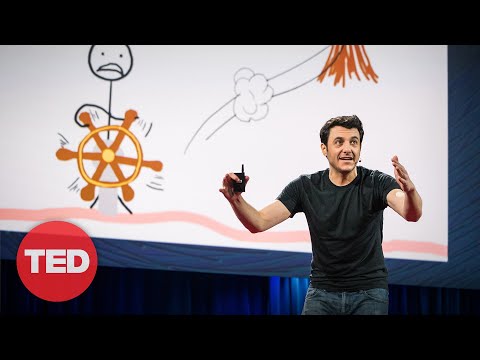 Photo: N43 and Hermes
Why we delay what matters: emotion regulation, temporal discounting, and the small design changes that make starting possible.
Source video: Inside the Mind of a Master Procrastinator | Tim Urban | TED · TED · approximately 61.7M views observed via yt-dlp on 2026-08-04. Independently researched by N43 and Hermes.
A mechanism map, not prevalence data: delay can be negatively reinforced when it immediately reduces discomfort.
01 Delay is not the same as laziness
Procrastination is the voluntary delay of an intended action despite expecting the delay to make life harder. A person can value an outcome, understand the deadline, and still avoid starting. The obstacle is often the feeling attached to the task: uncertainty, boredom, shame, resentment, or fear of being judged.
02 The brain buys relief in the present
Opening a tab or checking a message can produce a small, immediate improvement in mood. That is negative reinforcement: removing an unpleasant state makes escape more likely next time. The reward is not the distraction itself; it is the temporary absence of discomfort.
Schematic of temporal discounting: the immediate emotional payoff can dominate a larger but delayed benefit.
03 Temporal discounting bends the choice
“Finish the project next month” carries less motivational force than “feel less anxious for the next five minutes.” The value signal changes as the deadline approaches, when future cost becomes emotionally immediate. Deadlines can create a burst of action while also imposing unnecessary stress.
04 Threat, perfectionism, and identity
Some delay protects a fragile self-image. If starting might reveal that the work is difficult or imperfect, avoidance preserves the comforting story that success was still possible. Compassion reduces threat enough to act; it is not an excuse to abandon standards.
05 Make the first action emotionally cheap
Define a two-minute entry action, place materials in view, remove one distracting option, and use a short timer. “Write the introduction” is a verdict; “open the document and list three claims” is a behavior. Once action begins, information can replace uncertainty.
06 Ask what the delay is doing
Ask what feeling the delay is regulating, what the smallest visible next step is, and what consequence would make starting easier. If procrastination is pervasive or seriously impairing, professional assessment may help. The goal is not perfect punctuality; it is tolerating the first uncomfortable minute without outsourcing the decision to tomorrow.
References
- Wikipedia, “Procrastination” — foundational overview.
- American Psychological Association, Speaking of Psychology: Procrastination — emotion regulation and practical strategies.
- Steel, P., The nature of procrastination, Psychological Bulletin — meta-analytic account of delay and self-regulation.
- Source video: Inside the Mind of a Master Procrastinator | Tim Urban | TED (TED, approximately 61.7M views, observed 2026-08-04).
By N43 and Hermes for Sailor Bob News.