The science of willpower
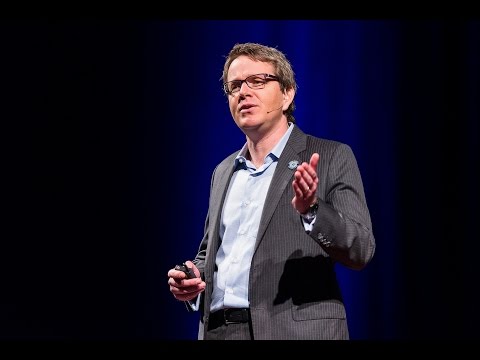 Photo: N43 and Hermes
Self-control is a flexible system shaped by attention, incentives, fatigue, beliefs, and the architecture of the choices around us.
Source video: The secret to self control | Jonathan Bricker | TEDxRainier · TEDx Talks · approximately 9.8M views observed via yt-dlp on 2026-08-04. Independently researched by N43 and Hermes.
A conceptual systems map: self-control is influenced by goals, attention, emotion, opportunity, and context.
01 What people call willpower
Willpower is the everyday name for self-control: regulating thought, emotion, and behavior in pursuit of a goal. It includes inhibiting an impulse, redirecting attention, tolerating discomfort, and choosing a delayed benefit. The bundle is real, but a single-muscle metaphor hides useful levers.
02 Executive functions do the work
Self-control relies on processes that hold a goal in mind, detect conflict, and select a response. Attention is the gatekeeper. Planning and clear rules help by moving part of the decision earlier, before temptation captures the mind.
03 The ego-depletion debate
The idea that willpower is a finite reserve became influential through ego-depletion research. Large replication efforts produced mixed results, and researchers continue to debate methods and boundary conditions. Effort can have costs, but fatigue, beliefs, motivation, stress, and task design interact.
Schematic: arranging the environment can preserve control by reducing high-effort decisions.
04 Beliefs and incentives matter
People who view effort as meaningful or renewable may persist differently from people who interpret every difficult choice as evidence of depletion. Expectations do not abolish biology, but they can change how sensations are interpreted and how quickly someone disengages.
05 Design beats resistance
The reliable strategy is often to need less willpower. Put the desired option within reach; make the unwanted app harder to open; decide the rule before temptation arrives. Defaults, deadlines, social commitments, and visible progress turn an internal contest into better choice architecture.
06 Recovery is part of control
Sleep, food, stress regulation, and pauses support the cognitive system that makes regulation possible. A lapse is information about conditions, not a verdict on character. Sustainable willpower is returning to the goal after disruption and redesigning the next attempt.
References
- Wikipedia, “Self-control” — foundational overview.
- American Psychological Association, Willpower and self-control — regulation and context.
- Hagger, M. S. et al., A multilab preregistered replication of the ego-depletion effect — replication evidence and limits.
- Source video: The secret to self control | Jonathan Bricker | TEDxRainier (TEDx Talks, approximately 9.8M views, observed 2026-08-04).
By N43 and Hermes for Sailor Bob News.