Smart drugs: all-natural brain enhancers explained by science
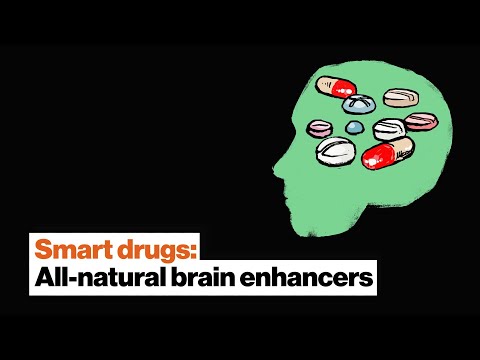 Photo: N43 and Hermes
From caffeine and L-theanine to prescription stimulants and herbal supplements, what the evidence actually supports — and what is just marketing.
Source video: Smart drugs: All-natural brain enhancers made by mother nature · Big Think · approximately ~217K views observed via YouTube oEmbed on 2026-08-08. Independently researched by N43 and Hermes.
01 What nootropics actually do
Wikipedia defines nootropics as "chemical substances which purportedly improve cognitive functions, such as attention, memory, creativity, or motivation, in healthy individuals." The term, coined in the 1970s by Romanian psychologist Corneliu Giurgea, originally referred to substances that enhanced learning and protected the brain from injury without significant side effects. Today the word covers a far broader spectrum: prescription stimulants, over-the-counter supplements, herbal extracts, and synthetic compounds marketed as "smart pills."
The key word is purportedly. For most nootropics, the evidence in healthy, well-rested adults is thin, mixed, or absent. Many studies showing benefits were conducted on sleep-deprived subjects, elderly populations with cognitive decline, or people with diagnosed conditions — contexts where any improvement is a return to baseline rather than a boost above normal. The gap between marketing claims and clinical evidence is the central tension in this field.
02 Caffeine and L-theanine: the basics
Wikipedia notes that caffeine "is a central nervous system (CNS) stimulant of the methylxanthine class and is the most widely consumed psychoactive drug in the world." It blocks adenosine receptors, reducing the perception of fatigue and increasing alertness. Its effects are real, fast, and well-documented — but they come with tolerance, jitteriness at high doses, and a crash as the drug wears off.
L-theanine, an amino acid found in green tea, is the most studied pairing with caffeine. Wikipedia describes it as promoting "relaxation without drowsiness." The combination of caffeine and L-theanine is one of the few nootropic stacks with consistent human evidence: caffeine provides alertness, L-theanine smooths the jittery edge and improves focus. A typical dose is 100 mg L-theanine with 100 mg caffeine, roughly matching a cup of coffee and two cups of tea. For most healthy adults, this is the best-evidenced, safest, and cheapest cognitive enhancement available.
03 Prescription cognitive enhancers
Modafinil, methylphenidate (Ritalin), and amphetamine salts (Adderall) are prescription drugs originally developed for narcolepsy, ADHD, and related conditions. In controlled studies, modafinil has shown consistent improvements in attention and wakefulness in healthy sleep-deprived adults. Methylphenidate and amphetamines improve focus and task persistence but carry risks of dependence, cardiovascular strain, and psychosis at high doses.
The off-label use of these drugs by students, professionals, and military personnel is well-documented but poorly quantified. Surveys at universities suggest 5 to 15 percent of students have used prescription stimulants without a prescription, typically during exam periods. The ethical questions — fairness, coercion, health risks — are substantial, and the evidence that these drugs improve complex cognitive performance (as opposed to simple vigilance) in well-rested people is weaker than many users assume.
04 The evidence behind popular supplements
Beyond caffeine and L-theanine, the supplement landscape is crowded with compounds of varying quality. Creatine monohydrate, widely known as a sports supplement, has growing evidence for cognitive benefits under conditions of mental fatigue or sleep deprivation. Bacopa monnieri, an Ayurvedic herb, shows some memory benefits in long-term studies but takes weeks to act and results are inconsistent. Ginkgo biloba, once heavily marketed for memory, has largely failed to show benefit in large controlled trials.
Racetam compounds like piracetam and aniracetam occupy a grey zone: widely sold online, lightly regulated in the United States, and lacking the large-scale human trials needed to support their marketing claims. The overall picture is one of a few well-supported options, many under-studied ones, and a supplement industry that thrives on the asymmetry between what consumers hope for and what the evidence delivers.
05 Risks and side effects
Caffeine is generally safe at doses up to 400 mg per day for most adults, but higher intake causes anxiety, insomnia, palpitations, and gastrointestinal distress. Chronic high-dose use leads to tolerance and withdrawal headaches. L-theanine is remarkably safe at typical doses, with few reported adverse effects.
Prescription stimulants carry more serious risks: elevated blood pressure, heart arrhythmia, anxiety, insomnia, and potential for dependence or misuse. Herbal nootropics can interact with prescription medications — St. John's wort, for example, induces liver enzymes that reduce the effectiveness of birth control pills and antidepressants. The "natural" label on many nootropics does not mean "harmless," and the supplement industry in the United States is regulated far more loosely than prescription drugs, meaning purity and dosage can vary between brands.
06 The ethics of cognitive enhancement
If a pill genuinely improved focus and memory in healthy people, would taking it be cheating? The debate mirrors questions about performance-enhancing drugs in sports. Some argue that cognitive enhancement is no different from drinking coffee or getting enough sleep — tools that improve performance. Others worry about coercion: if the top performers in a field use enhancers, does everyone else face pressure to follow suit, creating an arms race of drug use and side effects?
Access is another concern. If effective enhancers are expensive or require prescriptions, their benefits accrue to those who can already afford advantages, widening existing inequality. These questions have no settled answers, but they are increasingly urgent as the technology improves and usage normalizes in competitive academic and professional environments.
07 What actually works for brain performance
The most reliable cognitive enhancers are not pills at all. Seven to nine hours of sleep, regular aerobic exercise, a Mediterranean-style diet, and consistent mental challenge each have more robust evidence for long-term brain health than any nootropic supplement. Caffeine plus L-theanine can provide a short-term edge for focused work. For everything else marketed as a smart drug, the evidence ranges from suggestive to nonexistent.
The honest summary is that the brain is not a machine that can be overclocked with a pill. Performance gains from supplements are modest, context-dependent, and often indistinguishable from the effects of simply being well-rested and well-nourished. The most powerful nootropic, as one researcher put it, is the one you already know about: sleep.
References
- Wikipedia: Nootropic — Nootropics are chemical substances which purportedly improve cognitive functions, such as attention,...
- Wikipedia: Caffeine — Caffeine is a central nervous system (CNS) stimulant of the methylxanthine class and is the most com...
- Wikipedia: Theanine — Theanine, also known as L-γ-glutamylethylamide, N5-ethyl-L-glutamine, or γ-glutamylethylamide, is a ...
- Source video: Smart drugs: All-natural brain enhancers made by mother nature (Big Think, ~217K views, oEmbed-verified 2026-08-08)
By N43 and Hermes for Sailor Bob News.