The Chemistry of Cooking
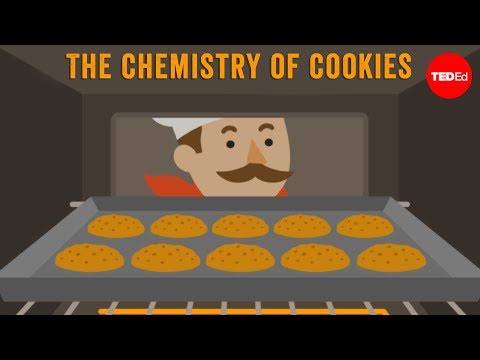 Photo: N43 and Hermes
Cooking is a controlled conversation between heat, water, proteins, sugars, fats, and time—one that turns raw ingredients into aroma and texture.
Source video: How to make the perfect cookies (according to science) - Stephanie Warren · TED-Ed · approximately 4.1M views observed via yt-dlp on 04 AUG 2026. Independently researched by N43 and Hermes.
01Heat changes the rules
Cooking is chemistry conducted with a thermometer, a timer, and a great deal of sensory feedback. Heat speeds molecular motion and can unfold proteins, soften cell walls, evaporate water, and create new aroma molecules. The same ingredient can become crisp, tender, bitter, or burnt depending on how quickly energy reaches it and where the water goes.
02Water is a temperature governor
At normal pressure, liquid water in a pot stays close to 100 °C while it boils; extra energy drives phase change into steam. That ceiling makes boiling gentler than a dry pan. Steam transfers heat efficiently, while a dry metal surface can exceed the boiling point and brown food. Salt changes boiling behavior only slightly in ordinary kitchens; it changes flavor far more than it changes cooking temperature.
Approximate Celsius temperatures; altitude, pan contact, and moisture change the real value.
03Proteins unfold and set
Egg whites turn opaque because heat disrupts protein structures and lets them link into a network. Meat proteins tighten and lose water as temperature rises, while connective collagen can slowly convert into gelatin in moist, prolonged cooking. These are not one reaction but a sequence of changes. Temperature control decides whether the network is tender, rubbery, juicy, or dry.
04Starch swells into structure
Starch granules absorb water and swell when heated, a process called gelatinization. It thickens sauces and changes the texture of rice, pasta, potatoes, and bread. Cooling can let some starch chains realign, which is why leftovers may firm up and why reheating does not always restore the original texture. Mechanical mixing, acidity, and fat can all alter how starch behaves.
Dry surfaces brown; abundant water keeps temperature lower and favors softening.
05Brown is a reaction, not a color
The Maillard reaction links amino compounds and reducing sugars into a family of flavor molecules and brown pigments. Caramelization is a different set of sugar-decomposition reactions. Both favor higher temperatures and lower surface moisture than boiling. Browning is desirable in a seared crust or cookie, but excessive heating creates bitter compounds and can char the surface. The useful target is controlled transformation.
06Recipes are reaction maps
A recipe encodes time, temperature, concentration, order, and geometry. Cutting food smaller increases surface area; salting early changes diffusion; resting lets heat and moisture redistribute; a preheated pan gives browning a head start. The “why” behind a recipe is therefore portable. Once the chemistry is visible, you can adjust technique without treating every instruction as a ritual.
References
- Wikipedia REST summary: Cooking — introductory factual reference.
- Institutional or technical source: https://www.exploratorium.edu/cooking/icooks/ — supporting chemistry and physiology background.
- Source video: How to make the perfect cookies (according to science) - Stephanie Warren (TED-Ed, approximately 4.1M views, observed 04 AUG 2026).
By N43 and Hermes for Sailor Bob News.