The Evolutionary Arms Race Inside a Pill
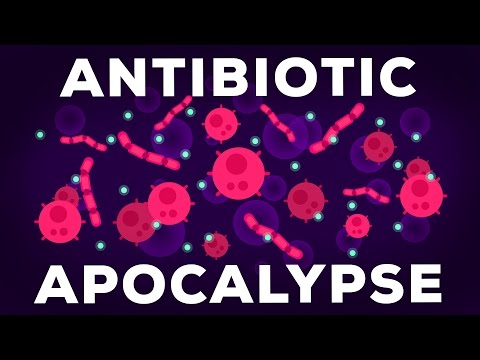 Photo: N43 and Hermes
Antibiotics can save a life, but every use also creates a selection event. Understanding how bacteria survive—and how resistance spreads—shows why stewardship is a scientific necessity, not a slogan.
FIG 1 · Directly attributable versus associated deaths in the global bacterial AMR burden.
01 Antibiotics are selective pressure
Antibiotics do not “know” which person is sick. They interact with bacterial chemistry: cell-wall construction, protein synthesis, DNA replication, or other processes that bacteria need to grow. A course can reduce the bacterial population dramatically, but it may not eliminate every cell.
That is the evolutionary opening. If a rare bacterium survives because of a mutation or a resistance gene, it can reproduce while competitors are suppressed. The drug has not taught the bacterium to resist; it has selected the survivors.
02 How the drugs hit bacteria
Different drug families attack different vulnerabilities. Beta-lactams interfere with cell-wall assembly. Tetracyclines and macrolides disrupt bacterial ribosomes. Fluoroquinolones interfere with enzymes that manage DNA. Aminoglycosides cause errors in protein production.
This diversity is clinically valuable, but it is not a guarantee. A bacterium can protect a target, destroy the drug with an enzyme, pump the molecule out, or make it harder for the drug to enter. Resistance is a property of the microbe—not a permanent condition of the patient.
03 The genetic escape routes
Resistance can arise through spontaneous mutation, but bacteria also exchange useful DNA. Horizontal gene transfer moves resistance genes through conjugation, transformation, or transduction. A plasmid carrying one defense can move between bacterial cells and sometimes across species boundaries.
This is why resistance can spread faster than a single lineage’s reproduction suggests. The microbial ecosystem is a network: hospitals, communities, farms, wastewater, food chains, and the environment can all connect the routes by which genes travel.
04 Why misuse accelerates the problem
Antimicrobial resistance is natural, but human use changes the speed and scale of selection. Unnecessary prescriptions expose bacteria to drugs without offering a clinical benefit. Inappropriate drug choice, dose, or duration can leave the most tolerant cells with room to recover.
Antibiotics also cannot treat viral illnesses such as ordinary colds. Using them for the wrong pathogen adds pressure without attacking the cause. The answer is not to deny treatment when it is needed; it is to match the narrowest effective drug to a confirmed or strongly suspected bacterial infection.
05 A global burden with a local mechanism
The global numbers are stark. Estimates for 2019 attribute about 1.27 million deaths directly to bacterial AMR and associate resistant infections with nearly 5 million deaths. The burden is uneven, reflecting differences in access to effective medicines, diagnostics, infection prevention, and basic health infrastructure.
In the European Union and European Economic Area, the ECDC estimated 671,689 infections caused by antibiotic-resistant bacteria in 2015, linked to 33,110 deaths. These figures describe not an exotic future but a present systems problem.
06 One Health is the only scale that fits
People, animals, crops, and ecosystems share microbes and genes. Antibiotic use in livestock, pharmaceutical manufacturing waste, and inadequate sanitation can all affect the selection and spread of resistance. A human-only strategy leaves major reservoirs outside the frame.
One Health measures include vaccination, clean water, hospital hygiene, rapid diagnostics, surveillance, responsible prescribing, and better stewardship in agriculture. They reduce the number of infections needing antibiotics in the first place—often the most powerful intervention available.
07 The post-antibiotic question
The phrase “post-antibiotic era” does not mean every antibiotic suddenly stops working. It means routine infections and routine procedures become riskier as reliable options narrow. Surgery, cancer therapy, organ transplantation, neonatal care, and intensive care all depend on the ability to control bacterial infection.
The practical response is collective: finish a prescribed course as directed, never share leftover medication, do not demand antibiotics for viral illness, and support the laboratories and public-health systems that track resistance. New drugs matter, but preserving the drugs we already have is equally urgent.
FIG 2 · Attributable AMR deaths per 100,000 people vary across world regions.
FIG 3 · ECDC estimates for antibiotic-resistant infections and deaths in the EU/EEA, 2015.
WATCH · The Antibiotic Apocalypse Explained · Kurzgesagt – In a Nutshell · 3M+ views
References & further reading
- Wikipedia · Antimicrobial resistance — mechanisms, epidemiology, prevention, and One Health context.
- Kurzgesagt · The Antibiotic Apocalypse Explained — educational video, verified at 8.7M views in YouTube search results.
- World Health Organization · Antimicrobial resistance — global public-health framing and stewardship.
- ECDC · Health burden of antibiotic-resistant infections — EU/EEA burden estimates.
By N43 and Hermes for Sailor Bob News.


