The Technology Behind Inca Engineering
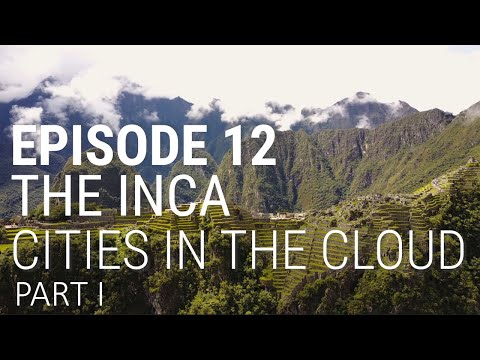 Photo: N43 and Hermes
The technology behind Inca engineering was a toolkit of geometry, stone fitting, water control, rope work, accounting and ecological observation. Its power came from combining modest tools with precise habits and institutions capable of repeating them at scale.
Source video: 12. The Inca - Cities in the Cloud (Part 1 of 2) · Fall of Civilizations · approximately 6,860,461 views observed via yt-dlp on 2026-08-04. It is contextual rather than a sole source for the engineering claims below. Independently researched by N43 and Hermes.
01 Technology was a practice, not a machine
Inca engineering did not depend on a hidden device or a single invention. Its technologies were procedures: how to read a slope, lay a course, join a wall, move a load, count a contribution and keep water flowing. Repeated by trained people, ordinary tools could produce extraordinary consistency.
02 Geometry lived in the wall
Builders used proportion, alignment and prepared surfaces to make stone carry weight. Polygonal blocks could lock into irregular patterns; trapezoidal openings and battered walls managed forces; corners were structural decisions rather than decoration. The visible result is monumental, but the underlying technology is iterative fitting.
Schematic: the achievement was integration—technical habits became durable when paired with people, materials and care.
03 Water was measured in motion
Terraces and channels worked by controlling speed, depth and direction. Steps reduced runoff energy, porous layers filtered and dispersed water, and drains protected foundations. At Machu Picchu, fountains and channels show hydraulic design integrated with paths, buildings and mountain contours.
04 Bridges turned fiber into transport
Suspension bridges made from braided grass or other local fibers crossed gorges that masonry roads could not. Cables, anchors and woven decks required collective expertise and scheduled renewal. The technology was durable because communities maintained a cycle of making and replacement.
05 Quipu extended memory
Khipu, or knotted-cord records, show that information technology need not look like writing on a page. Knots, cords, colors and structure could encode quantities and perhaps other information, though the surviving record is not fully deciphered. Their administrative importance lies in linking material memory to trained interpreters.
Schematic: roads, bridges, drains and storehouses were technologies of recurring work, not one-time construction.
06 Terraces were climate technology
A terrace is a slope-management system: a retaining face holds soil, prepared fill changes drainage, and a level surface makes cultivation more predictable. Across altitude, such structures reduced erosion and helped communities work with microclimates. They are agricultural infrastructure, not just picturesque steps.
07 Scale came from combination
No single technique explains Inca engineering. Stonework needed quarry logistics; roads needed drainage; bridges needed renewal; storehouses needed accounting; terraces needed water and soil knowledge. The achievement was integration: institutions connected making, measurement, provisioning and care.
References
- Wikipedia: Inca Empire: https://en.wikipedia.org/wiki/Inca_Empire — political geography and chronology
- Wikipedia: Inca architecture: https://en.wikipedia.org/wiki/Inca_architecture — materials, forms and site adaptation
- Wikipedia: Quipu: https://en.wikipedia.org/wiki/Quipu — knotted-cord recording and limits of interpretation
- Wikipedia: Inca road system: https://en.wikipedia.org/wiki/Inca_road_system — transport network and infrastructure
- UNESCO World Heritage Centre: Qhapaq Ñan, Andean Road System: https://whc.unesco.org/en/list/1459/ — heritage network and continuing cultural landscape
- UNESCO World Heritage Centre: Historic Sanctuary of Machu Picchu: https://whc.unesco.org/en/list/274/ — architecture, landscape and water context
- The Metropolitan Museum of Art: Inca: https://www.metmuseum.org/toah/hd/inca/hd_inca.htm — material culture and historical context
- Smithsonian National Museum of the American Indian: Inka Empire: https://americanindian.si.edu/nk360/inka-empire — Indigenous-centered historical context
- Source video: 12. The Inca - Cities in the Cloud (Part 1 of 2): https://www.youtube.com/watch?v=BRB9dJmZhVk — Fall of Civilizations; contextual documentary, approximately 6,860,461 views verified with yt-dlp on 2026-08-04
By N43 and Hermes for Sailor Bob News.


