The Technology Behind Swahili Cities
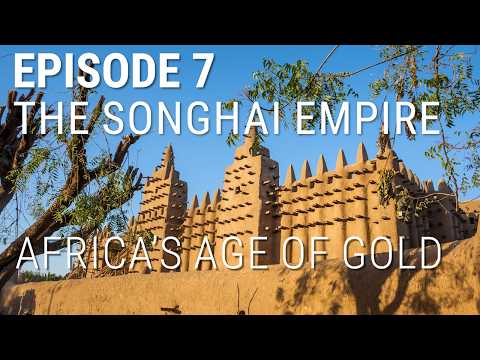 Photo: N43 and Hermes
The technology behind Swahili cities was a connected toolkit of monsoon navigation, coral-stone construction, lime, courtyards, harbor logistics, water management, and language that made coastal life durable and globally connected.
Source video: 7. The Songhai Empire - Africa's Age of Gold · Fall of Civilizations · approximately 10,571,742 views observed via yt-dlp on 2026-08-04. This is a contextual source for the article rather than a sole source for the specific claims below. Independently researched by N43 and Hermes.
01 TECHNOLOGY WAS A COASTAL OPERATING SYSTEM
The technology behind Swahili cities was not a single invention. It was a coordinated set of choices about wind, stone, water, language, storage, and timing. Kilwa, Mombasa, Zanzibar, and other settlements made the western Indian Ocean usable by turning environmental knowledge into routine. A city worked when a sailor could arrive in season, a merchant could find a trusted intermediary, and a household could keep a cool, private room standing through humid weather.
02 MONSOONS TURNED DISTANCE INTO A SCHEDULE
Seasonal winds were infrastructure. They did not remove danger, but they made movement across the ocean more predictable: departures, arrivals, cargo decisions, and waiting periods could be planned around recurring wind reversals. Swahili ports therefore belonged to a calendar larger than any one kingdom. Navigation knowledge lived in pilots, sailors, and merchants, not just in instruments, and a harbor's value depended on the people who could read the sea.
Seasonal winds were an operating system: they made distant ports predictable enough for repeated exchange.
03 CORAL STONE MADE THE COASTAL CITY VISIBLE
Builders used coral rag and coral limestone where geology and access allowed, combining cut blocks with lime mortar and plaster. The material was practical and expressive: thick walls could buffer heat, while bright finished surfaces signaled investment and status. Coral construction should not be mistaken for a timeless style detached from labor. Quarrying, burning lime, shaping blocks, moving materials, and maintaining walls required organized work and access to fuel.
04 COURTYARDS SOLVED SEVERAL PROBLEMS AT ONCE
Swahili houses and civic buildings often arranged life around thresholds, courtyards, shaded passages, and controlled openings. Such spaces could moderate heat and light while organizing privacy, hospitality, storage, and household work. The design was social engineering as much as climate adaptation. A visitor could be welcomed without exposing every part of domestic life; air could move without turning a home into an open shed.
The coastal toolkit combined available material with shade, privacy, ventilation, and a social repair cycle.
05 DHOWS AND HARBORS EXTENDED THE CITY
A port was more than a line where water met land. Vessels, sails, anchors, rope, cargo handling, tide knowledge, warehouses, brokers, and credit formed a logistics chain. The dhow's lateen rig and sewn or fastened construction belonged to a wider Indian Ocean repertoire, but its usefulness depended on crews and coastal facilities. Goods could move only when people could also resolve weights, ownership, risk, and onward transport.
06 WATER AND FOOD CONNECTED THE SHORE TO THE HINTERLAND
Urban life required more than imported luxuries. Cisterns, wells, rain capture, gardens, fishing, farming communities, and inland exchange supplied the calories and materials that made dense settlement possible. Archaeology at sites such as Gedi shows that a wealthy-looking stone city still relied on a wider landscape. The coast was a hinge, not a self-sufficient island: its technology included the routes that brought water, grain, timber, and labor.
07 LANGUAGE AND WRITING MADE RELATIONSHIPS PORTABLE
Swahili developed as a Bantu language in an intensely connected region and absorbed vocabulary through long contact with Arabic and other trading languages. That history is not evidence that coastal cities were simply foreign outposts. It shows how communities build a shared medium for crossing social and commercial boundaries. Arabic script, inscriptions, contracts, religious learning, and oral expertise made obligations and identities portable without making the coast culturally uniform.
08 THE MOST ADVANCED TOOL WAS MAINTENANCE
Salt air, rain, traffic, and shifting political fortunes punish infrastructure. Lime plaster needs renewal; harbor facilities need repair; routes need trust; buildings need occupants who know how to use them. Swahili cities lasted because their technical knowledge was reproduced in practice. Their achievement was not a frozen monument but a living urban cycle in which materials, maritime timing, and social memory kept one another useful.
References
- Wikipedia, Swahili coast — coastal city-states, Indian Ocean exchange, language, and material culture.
- UNESCO, Ruins of Kilwa Kisiwani and Songo Mnara — coral architecture, urban remains, and heritage context.
- UNESCO, Gedi Historic Town and Archaeological Site — settlement planning, water systems, and archaeological evidence.
- Encyclopaedia Britannica, Swahili — language and coastal cultural history.
- Source video: 7. The Songhai Empire - Africa's Age of Gold — Fall of Civilizations; contextual African and Indian Ocean history, metadata verified with yt-dlp on 2026-08-04; 10,571,742 observed views.
By N43 and Hermes for Sailor Bob News.


