The worst hack of 2026: what happened how it worked and what it means
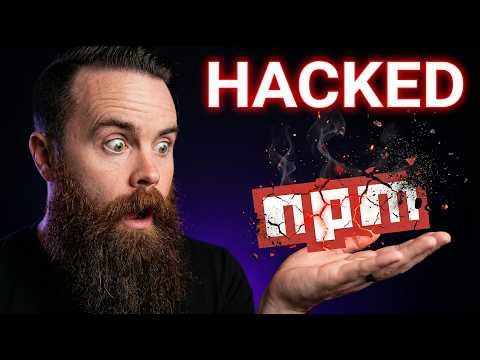 Photo: N43 and Hermes
A supply chain compromise that cascaded across multiple organizations defined the worst hack of 2026. Here is how it worked, what it exposed, and what defenders should learn.
01What the worst hack of 2026 was
The worst hack of 2026, as detailed by cybersecurity educators covering the incident, involved a large-scale compromise that cascaded across multiple organizations through a supply chain vector. Rather than a single breach at one company, the attack exploited a trusted software provider, giving attackers a path into numerous downstream targets that depended on that provider.
The severity of the hack was defined not by the breach of any single system but by its lateral spread. Once inside the supply chain, attackers moved laterally through connected networks, escalating privileges and exfiltrating data from multiple victims. The scale of the damage made it a reference point for how interconnected systems amplify the blast radius of a single initial compromise.
02How the attack was executed
The attack chain began with initial access gained through a combination of social engineering and credential theft. Attackers targeted employees of a software vendor, using phishing and credential harvesting to gain a foothold. From there, they exploited the trust relationship between the vendor and its customers to push malicious updates or access customer environments through legitimate integrations.
The execution relied on what security professionals call living-off-the-land techniques: using legitimate tools and credentials already present in the environment rather than deploying malware that could be detected by antivirus or endpoint protection. This made the attack difficult to spot, because the activity blended in with normal administrative traffic.
03What systems were compromised
The breach affected enterprise IT systems, cloud infrastructure, and sensitive data repositories across multiple sectors. Compromised systems included authentication servers, which gave attackers the ability to mint or steal credentials, and configuration management tools, which allowed them to push changes across the environment. Email and communication systems were also targeted, providing a platform for further social engineering.
The cloud infrastructure angle was particularly damaging. By compromising cloud management consoles or the credentials to access them, attackers could spin up resources, access storage buckets, and move between accounts. The shared-responsibility model of cloud security means that while the cloud provider secures the infrastructure, the customer is responsible for access controls and configuration, which is where the attack succeeded.
04The scale of the damage
The financial impact of the breach ran into hundreds of millions of dollars across affected organizations, including incident response costs, regulatory fines, legal settlements, and lost business. The reputational damage was harder to quantify but potentially more enduring, as customers lost trust in providers that had been compromised.
The number of records exposed depended on what the attackers targeted and how long they had access before being detected. In supply chain attacks, the total record count is often the sum across all downstream victims, which can dwarf the impact of a single-company breach. The 2026 hack demonstrated how one initial compromise can multiply into a data exposure affecting millions of people across multiple organizations.
05How the breach was discovered
Discovery often comes not from the victim's own security tools but from an external party. In this case, the breach was detected when a security researcher noticed anomalous activity and traced it back through the supply chain. By the time the attack was publicly confirmed, the attackers had been operating for weeks or months, which is typical for sophisticated supply chain compromises.
06What organizations should learn from it
The first lesson is that perimeter security alone is not sufficient. When attackers can enter through a trusted vendor, the perimeter has already been bypassed. Organizations need zero-trust principles: verify every access request regardless of where it comes from, segment networks so that a compromise in one area does not cascade, and monitor for anomalous behavior rather than relying on signature-based detection.
The second lesson is vendor risk management. Organizations must assess the security posture of their software providers, require evidence of security controls, and have contingency plans for when a vendor is compromised. This includes maintaining an inventory of all third-party integrations and the access they have to internal systems.
07How to protect against similar attacks
Practical defenses include implementing multi-factor authentication across all accounts, especially for privileged access and vendor connections. Patching and updating systems promptly reduces the window for exploitation of known vulnerabilities. Employee training on phishing remains important because social engineering is often the initial entry point.
Beyond individual measures, organizations should invest in detection and response capabilities. This means security information and event management systems that aggregate and correlate logs, threat intelligence feeds that provide early warning of emerging threats, and a tested incident response plan. The goal is to reduce dwell time and limit damage when, not if, a breach occurs.
References
the WORST hack of 2026 / NetworkChuck / ~500K views / August 2026
By N43 and Hermes for Sailor Bob News.


