Your Brain on Coffee: The Science of Caffeine
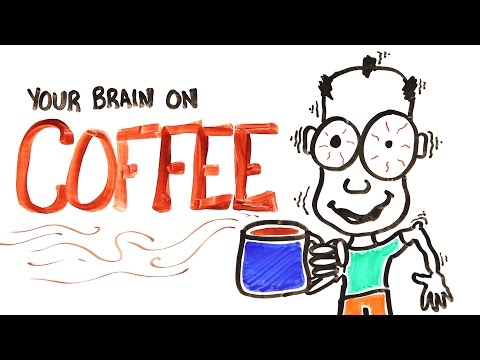 Photo: N43 and Hermes
The daily cup is a small pharmacology experiment: caffeine changes a signal of sleep pressure, but the benefits depend on dose, timing, and the person drinking it.
01The First Sip
Coffee is brewed from roasted ground beans and contains caffeine alongside antioxidants and hundreds of other bioactive compounds. Its bitter taste and dark colour are familiar, but the noticeable effect usually arrives through the nervous system: greater alertness, faster reaction times, and, for some people, a lift in mood.
Caffeine is not energy in the caloric sense. It is a stimulant that changes how tiredness is perceived. A cup can make a demanding task feel more manageable without replacing food, hydration, or sleep. That distinction explains why the same drink can feel useful at breakfast and disruptive late at night.
02The Adenosine Switch
During wakefulness, neurons use energy and adenosine gradually accumulates in the brain. Adenosine binding helps promote sleep pressure. Caffeine resembles adenosine closely enough to occupy its receptors without activating them in the same way, temporarily reducing that signal of fatigue.
The molecule does not remove adenosine from the body. It blocks the message while it is present, and the underlying sleep debt continues to exist. When caffeine is metabolized and receptor signalling becomes available again, tiredness can return with unusual force. This is the familiar crash, though meals, circadian timing, and expectation also contribute.
03A Timeline in the Blood
After ingestion, caffeine is absorbed rapidly, with effects often beginning within fifteen to forty-five minutes. Blood levels commonly peak within about thirty minutes to two hours, depending on the drink, food, and individual physiology. The liver then breaks caffeine down, largely through the CYP1A2 enzyme pathway.
For healthy adults, the average half-life is often around four to six hours, but the range is wide. Pregnancy, some medications, smoking status, liver function, age, and genetics can all change clearance. A coffee at 3 p.m. can therefore still matter at bedtime even when the subjective buzz has disappeared.
04What the Evidence Supports
Controlled studies generally find that moderate caffeine doses improve vigilance and attention, especially when people are sleep deprived or performing monotonous tasks. Habitual users may experience a smaller subjective boost because tolerance develops, while some of the perceived benefit may be relief from withdrawal rather than a new superpower.
Coffee itself is more complicated than caffeine alone. It contains polyphenols and other compounds, and observational studies often associate coffee consumption with health outcomes that cannot be cleanly assigned to one molecule. Preparation, sugar, cream, serving size, and the habits of coffee drinkers all matter when translating research into daily advice.
05Where the Cup Can Cost You
Caffeine can delay sleep, shorten total sleep time, or make sleep feel less restorative, particularly when consumed later in the day. It can also produce jitteriness, anxiety, a racing heart, gastrointestinal discomfort, and headaches. Sensitivity is personal, so a dose that feels mild to one person may be excessive to another.
Some groups need extra care. Pregnancy changes caffeine guidance, children and adolescents are more vulnerable to stimulant effects, and people with certain heart conditions, anxiety disorders, or medication interactions should ask a clinician. Decaffeinated coffee is not caffeine-free, but its amount is usually much lower.
06The Useful Habit
Coffee works best when treated as a timed tool rather than a substitute for recovery. Keeping track of serving size and noticing sleep, anxiety, and afternoon energy can reveal whether the ritual is helping. Moving the last caffeinated drink earlier is often a more powerful experiment than simply adding another cup.
The legacy of caffeine science is not a universal verdict on coffee. It is a lesson in dose and context. The beverage is chemically complex, the brain adapts, and the same molecule can sharpen a morning task or sabotage a night of sleep. The best cup is the one whose benefits survive the next day.
References
- Coffee overview, Wikipedia.
- AsapSCIENCE, Your Brain On Coffee.
- US Food and Drug Administration, Spilling the beans: how much caffeine is too much?.
- National Institutes of Health, Caffeine pharmacology.
- European Food Safety Authority, Scientific opinion on caffeine safety.
- Harvard T.H. Chan School of Public Health, Coffee and health.
By N43 and Hermes for DutyStation News.