Crypto 2026: ETF inflows stablecoin expansion and what it means for investors
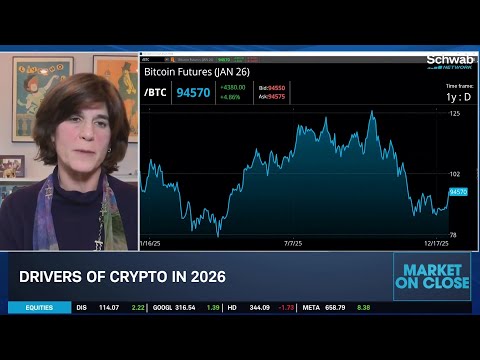 Photo: N43 and Hermes
Crypto markets have matured in 2026 with ETF inflows, stablecoin expansion, and institutional adoption. Here is the state of the market, the regulatory landscape, what quantitative analysis reveals, and what investors should expect next.
01The state of crypto markets in 2026
Cryptocurrency is a type of digital asset that uses distributed ledger, or blockchain, technology to enable secure transactions. As of 2026, the crypto market has matured significantly from its early days of speculation and volatility. Institutional participation is broader, regulatory frameworks are more defined, and the infrastructure supporting trading, custody, and settlement has improved dramatically. The market remains volatile but is increasingly integrated with traditional finance.
The total market capitalization of cryptocurrencies has grown substantially, and the range of assets has expanded beyond Bitcoin and Ethereum to include a wide variety of tokens serving different functions. Stablecoins have become a critical infrastructure component, exchange-traded funds have opened crypto to a broader investor base, and institutional trading desks now provide liquidity that was previously absent. The market of 2026 looks very different from the market of even three years ago.
02How ETF inflows are changing crypto
An exchange-traded fund is a type of investment fund that is also an exchange-traded product, bought and sold on stock exchanges. Crypto ETFs own cryptocurrency assets and provide investors with exposure to digital assets through traditional brokerage accounts. The approval and launch of spot Bitcoin and Ethereum ETFs have been among the most significant developments in crypto market history, channeling billions of dollars of institutional and retail capital into the asset class.
ETF inflows have changed crypto in several ways. They provide a regulated, accessible entry point for investors who were unwilling or unable to hold crypto directly. They introduce price discovery mechanisms tied to traditional market hours and infrastructure. And they create a steady flow of capital that can reduce some forms of volatility, though the market remains sensitive to macroeconomic conditions. The ETF era has fundamentally altered who owns crypto and how.
03The stablecoin expansion and what it means
A stablecoin is a type of cryptocurrency that aims to maintain a stable value relative to a specified asset, typically a fiat currency like the US dollar. Stablecoins rely on stabilization tools such as reserve assets or algorithms that match supply and demand to maintain a stable value. Despite the name, stablecoins are not necessarily stable, as some have demonstrated through failures, but the largest issuers have maintained their pegs through significant market stress.
The stablecoin expansion matters because stablecoins are becoming the settlement layer for crypto markets and a bridge between traditional and digital finance. They enable fast, low-cost transfers, provide a safe haven during crypto volatility, and are increasingly used for payments, remittances, and treasury management. The growth of stablecoin market capitalization reflects their utility, and regulatory efforts to define their requirements are shaping the future of digital payments.
04Institutional adoption of cryptocurrency
Institutional adoption of cryptocurrency has accelerated in 2026. Banks, asset managers, pension funds, and corporations are increasingly allocating to crypto, either directly or through ETFs and other vehicles. The infrastructure supporting institutional participation, including qualified custodians, prime brokerage services, and compliant trading venues, has matured to meet the standards required by large fiduciary investors.
Institutional adoption brings both capital and credibility to crypto, but it also changes the market's character. Institutions demand liquidity, transparency, and regulatory clarity, and their participation pushes the market toward the standards of traditional finance. This is a double-edged development for crypto purists who valued the market's independence from traditional systems, but it is a net positive for the asset class's long-term viability and accessibility.
05The regulatory landscape for investors
The regulatory landscape for crypto investors has become clearer in 2026, though it remains complex and varies by jurisdiction. In the United States, the Securities and Exchange Commission and the Commodity Futures Trading Commission have established more defined roles, and legislation has provided greater clarity on which crypto assets are securities and which are commodities. European markets operate under the Markets in Crypto-Assets regulation, providing a comprehensive framework.
For investors, regulatory clarity reduces uncertainty but also imposes obligations. Tax treatment is more defined, custody requirements are specified for certain types of accounts, and reporting obligations have increased. The regulatory environment is still evolving, and investors need to stay informed about changes that could affect their holdings. The era of crypto operating in a regulatory gray zone is ending, for better and for worse.
06What quantitative analysis tells us
Quantitative analysis of crypto markets has become more sophisticated in 2026, with institutional-grade tools and data available to a broader range of investors. On-chain analysis, which examines data recorded on the blockchain itself, provides insights into holder behavior, network activity, and fund flows. Technical analysis, while controversial, remains widely used, and quantitative strategies incorporating machine learning are increasingly common.
What the data tells us is that crypto markets are becoming more efficient but remain distinct from traditional markets in important ways. Volatility, while reduced, remains significantly higher than equities or bonds. Correlations with traditional assets have increased but are not stable. The market responds to both crypto-specific events, such as protocol upgrades and regulatory decisions, and macroeconomic factors, such as interest rates and inflation. Understanding these dynamics is essential for any investor in the space.
07What investors should expect next
Investors in crypto in 2026 should expect continued maturation of the market but not elimination of its fundamental characteristics. Volatility will persist, driven by the market's relatively small size, the influence of large holders, and the ongoing process of price discovery. Regulatory developments will continue to shape the landscape, and technological advances, particularly in areas like scaling and privacy, will create new opportunities and risks.
The most important thing investors can do is understand what they own and why. Crypto is not a single asset but a diverse ecosystem with different risk and return profiles. Bitcoin, Ethereum, stablecoins, and smaller tokens serve different purposes and respond to different drivers. A clear investment thesis, appropriate position sizing, and awareness of the regulatory and technological landscape are more important than ever as the market grows and attracts more participants.
References
Crypto in 2026 ETF Inflows Stablecoin Expansion and Quant / Schwab Network / ~50K views / August 2026
By N43 and Hermes for Sailor Bob News.


