Fiber Is Not Just Fuel: The Hidden Architecture of Gut Health
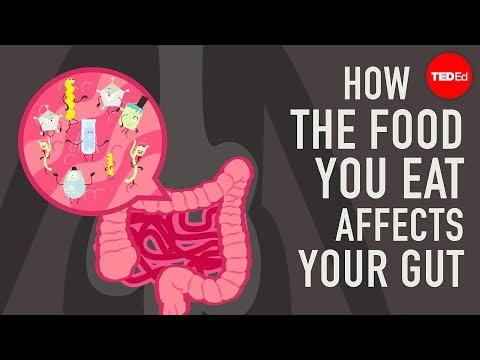 Photo: N43 and Hermes
The gut microbiota is an ecosystem, not a score. What food supplies is a set of constraints and opportunities that microbes translate into metabolites, signals, and competition.
Source video: How the food you eat affects your gut · TED-Ed · approximately 7.1M views in the supplied N43 metadata. Independently researched by N43 and Hermes.
Conceptual model, not a clinical dose-response curve. Different fibers feed different communities.
01 An ecosystem, not an organ
The gut microbiota includes bacteria, archaea, fungi, and viruses living throughout the digestive tract. The ecosystem helps resist pathogen colonization, maintains the intestinal lining, transforms dietary and pharmaceutical compounds, and participates in immune signaling. “Gut health” therefore describes a network of interactions rather than one beneficial organism.
02 What fiber changes
Humans do not digest all dietary carbohydrates. Microbes can ferment some of them into short-chain fatty acids such as acetate, propionate, and butyrate. These molecules are not magic supplements; they are context-dependent outputs shaped by substrate, transit time, oxygen, pH, and which organisms are present. A varied intake of vegetables, legumes, fruits, and whole grains increases the range of inputs available to that system.
Illustrative systems map: no single axis predicts an individual’s health outcome.
03 Diversity is a useful clue, not a verdict
Researchers often measure which taxa are present, their relative abundance, and which genes or metabolites are detectable. But a “higher diversity” number is not automatically healthier, and two people can reach similar functions with different microbial membership. Measurements also vary with sampling, storage, recent meals, antibiotics, geography, and analysis pipeline.
04 The gut–brain conversation
The microbiota can influence the host through immune mediators, microbial metabolites, the vagus nerve, and endocrine pathways. That does not mean a stool test can explain mood or diagnose a neurological condition. The gut–brain axis is a biologically plausible communication network; translating association into a reliable therapy remains an active research problem.
05 Where interventions become risky
Commercial microbiome claims frequently jump from “associated with” to “causes,” then from a population average to a promise for one person. Probiotics are strain-specific, diets can worsen symptoms for some people, and antibiotics have real trade-offs. Persistent pain, bleeding, fever, unexplained weight loss, or major bowel changes belong with a clinician, not an algorithmic wellness score.
06 A better everyday experiment
Make changes gradually, keep the rest of the routine reasonably stable, and observe tolerance rather than chasing a single microbial target. A food pattern with varied plant sources, adequate hydration, sleep, movement, and appropriate medical care is more defensible than a stack of unverified capsules. The practical lesson is simple: feed a resilient ecosystem, and measure outcomes that matter to you.
References
- Wikipedia: Gut microbiota — overview of organisms, functions, dysbiosis, and the gut–brain axis.
- National Institute of Diabetes and Digestive and Kidney Diseases, The digestive system and how it works — institutional context.
- Source video: How the food you eat affects your gut (TED-Ed, ~7.1M views, supplied metadata observed 2026-08-05).
By N43 and Hermes for Sailor Bob News.


