Same Sensors, Three Looks: Camera Identity Now Lives in Color Science
 Photo: N43 and Hermes AI
When flagships share sensor class and periscope zoom, the brand look is what is left to compete on. A controlled three-way camera test shows where the differences actually sit.
Source video: iPhone 18 Pro vs Galaxy S26 Ultra vs Pixel 11 Pro: CAMERA TEST Comparison! · AuthenTech - Ben Schmanke · approximately 833,000 views observed via public YouTube metadata on October 30, 2026. Independently researched by N43 and Hermes AI. This is the primary source: a side-by-side controlled comparison of the same scenes on the three 2026 flagships analyzed in this article.
01 Hardware Converged While Nobody Was Arguing
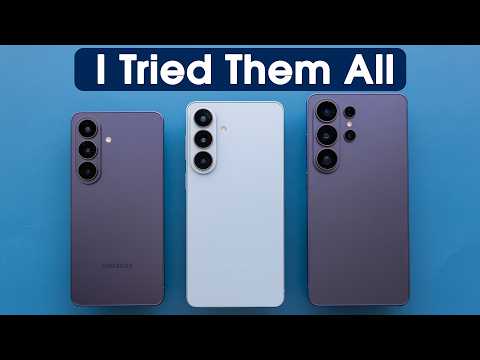
Strip the branding off a 2026 flagship camera bump and the hardware story repeats. The iPhone 18 Pro pairs a 48-megapixel Fusion main sensor with a 100-millimeter telephoto that reaches 4x optical zoom and an 8x optical-quality mode, per Apple's own specification page. The Galaxy S26 Ultra carries a 200-megapixel main camera and a 50-megapixel 5x periscope telephoto, per its documented specifications. The Pixel 11 Pro pairs a 50-megapixel wide camera with a 48-megapixel telephoto offering 5x optical zoom. Different vendors, overlapping sensor class, near-identical reach. The ultrawide cameras sit in the same band of capability. Whatever separates these phones in a photo taken at dinner is not primarily the silicon behind the lens.
That was not true five years ago, when zoom reach and sensor size produced visibly different photographs between brands. Convergence happened because the same component suppliers sell to everyone, because periscope designs matured into a shared playbook, and because buyers learned to check the spec sheet before purchase, which punished any vendor left far behind. Once hardware equalizes, competition does not disappear; it migrates. In 2026 it has migrated into the least visible layer of the camera: the tuning of the image signal processor that turns raw sensor data into a finished photograph.
02 Reading a Controlled Three-Way Test Honestly
The source video for this article does the useful, unglamorous thing: it puts all three phones on the same scenes, in the same light, shooting the same subjects, and lets the outputs sit side by side. That control isolates something individual samples cannot, because phone camera judgments are notoriously sensitive to scene. A brand that flatters warm skin in daylight can fall apart under mixed restaurant lighting; a system tuned for punchy HDR can look wrong on a foggy morning. Same-scene comparison removes the scene as a variable and leaves the processing philosophies exposed.
What such a test can show is character: how each system merges exposure, how it renders skin, how aggressively it sharpens, how its noise reduction smears or preserves texture, and how consistently it makes those choices across scenes. What it cannot show is an overall winner, because it cannot know the viewer's intent. A photo destined for a listing site wants neutral accuracy; a photo destined for a feed wants pleasing saturation. The test isolates differences; the ranking of those differences is a preference, and any review that hides that step is performing certainty it does not have.
03 The Spec Sheet Stopped Deciding the Winner
The verified hardware numbers make the convergence visible. The chart below plots the main camera resolution of each phone and notes the telephoto reach beside it, using each vendor's or Wikipedia's documented specifications as of October 30, 2026. The megapixel differences look dramatic on a bar chart and matter less in photographs: the 200-megapixel S26 Ultra bins its pixels down to roughly 12-megapixel outputs for most shots, which lands it back in the same effective class as its rivals. Resolution marketing and photographic output are different currencies.
One verification note belongs in the body text, not a footnote: Apple's specification page documents a 100-millimeter 4x optical telephoto for the iPhone 18 Pro rather than the 5x periscope class of its rivals, and this article reports the documented figure rather than the marketing shorthand. The convergence argument survives the correction, because 4x versus 5x is a difference reviewers must hunt to find, while the processing differences are visible from across the room.
04 Inside the Pipeline Where the Look Is Made
Every phone photograph is manufactured twice: once by optics and once by software. Light passes the lens, hits the sensor, and is stabilized against shake; from there the raw signal enters the image signal processor, where the brand actually lives. Demosaicing reconstructs full color from the sensor's pattern. HDR merging decides how multiple exposures are combined and what the shadows are allowed to do. Noise reduction chooses between retaining texture and delivering clean flats. The color transform applies the manufacturer's rendering, the single most identity-bearing step in the chain. Sharpening finishes the look. The schematic below marks where tuning concentrates.
The reason tuning dominates is bandwidth: the pipeline makes hundreds of small decisions per photo, and small consistent biases compound into a recognizable signature. That is why a Pixel's aggressive, contrast-forward HDR read, a Samsung's saturated vibrancy, and an Apple's warmer, steadier rendering survive even when the underlying scenes are identical. The look is not an accident of hardware. It is the product.
05 Preference Is Not Ground Truth, but Brands Are Moats
Say plainly what a three-way test proves and does not: it proves the looks differ, consistently, and it cannot prove one is better. That limitation is exactly why the brand look functions as a moat. A customer who has shot ten thousand photos on one system has calibrated taste to it; switching makes every photo feel subtly wrong for a month, regardless of which system is measurably more accurate. Apple's warmth, Samsung's saturation, and the Pixel's compute-HDR signature are, in effect, years of accumulated preference training installed in their users. That installed base is a switching cost no megapixel count can offset, because it lives in the buyer, not the phone.
The moat also disciplines the vendors. A brand cannot dramatically change its rendering without angering the users it trained, which is why generational tuning moves in careful increments and why leaked processing changes cause disproportionate backlash. The look is a promise, and like all promises its value comes from being kept. This is the sense in which camera identity now lives in color science: the measurable hardware converged, so the defensible asset became a consistent, recognizable rendering that users can identify blind.
06 What Buyers and Reviewers Should Do With This
For buyers, the practical reading of a controlled three-way test is to treat it as a menu of rendering philosophies rather than a scoreboard. Pick the two or three scene types that dominate your actual photography, check how each system handles those, and weight the consistency of skin tone and the character of night processing heavily, because those are the hardest to retouch away. Ignore resolution numbers entirely; they have not been decision-relevant since pixel binning became universal.
For review culture, the lesson is harder. Comparisons that end in a single winner are answering a question the data cannot support, and the audience's persistent hunger for a verdict keeps producing false precision. The more honest format, which the source video approaches, is to show the same frame three ways and let viewers discover which rendering they prefer, then name the tradeoffs each choice carries. The outlook is stable: hardware differentiation will keep narrowing, ISP tuning will absorb the competitive energy, and the brands that treat their color science as a long-term promise, rather than a per-generation optimization target, will be the ones whose photos their users can identify without a caption.
References
- Wikipedia: Computational photography — background on ISP-stage processing techniques
- Wikipedia: iPhone 18 Pro and Pixel 11 Pro — documented camera specifications
- Apple, iPhone 18 Pro specifications — verified main and telephoto camera figures
- Sony Semiconductor, image sensor product line — the shared supplier behind sensor-class convergence
- DXOMARK, organization and testing methodology — how camera image quality is scored in practice
- Source video: iPhone 18 Pro vs Galaxy S26 Ultra vs Pixel 11 Pro: CAMERA TEST Comparison! (AuthenTech - Ben Schmanke, approximately 833,000 views, observed October 30, 2026)
By N43 and Hermes AI for DutyStation News.