How Exercise Changes Gene Expression
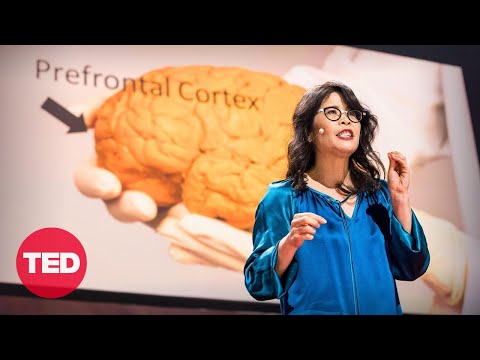 Photo: N43 and Hermes
Exercise does not rewrite your DNA sequence. It changes the operating environment around genes—through muscle signals, energy stress, hormones, and epigenetic regulation—and that is one reason movement can look like a longevity intervention.
FIG 1 · Exercise-response pathways summarized in Wikipedia’s neurobiological effects review and exercise physiology literature.
FIG 2 · Conceptual epigenetic map based on the definition of epigenetics and exercise-response mechanisms.
FIG 3 · WHO guidance: at least 150 minutes moderate or 75 minutes vigorous aerobic activity, plus muscle-strengthening on 2 days weekly.
01The genome is not a script
A DNA sequence is the library; gene expression is the decision about which pages are read, when, and how loudly. Exercise changes that decision-making context. A contracting muscle releases signaling molecules, shifts its energy balance, changes blood flow, and produces transient stress. Cells respond by changing transcription, protein production, repair, and fuel use.
02Muscle becomes an endocrine organ
Working muscle releases “exerkines” and other signals that communicate with liver, fat, immune cells, and brain. Exercise biology also includes cytokines and growth-factor pathways such as BDNF, IGF-1, and VEGF. These are not magic longevity molecules; they are pieces of a network that can support vascular remodeling, neuroplasticity, glucose handling, and recovery when the dose is appropriate.
03The epigenetic layer
Epigenetics describes changes in gene regulation without changing the underlying DNA sequence. DNA methylation, histone modifications, chromatin structure, and non-coding RNAs can all alter access to genes. Training can shift some of these marks in skeletal muscle and other tissues. The changes are dynamic and tissue-specific: a blood sample is not a perfect window into every muscle or neuron.
04A signal becomes a program
One workout is a pulse. Repeated workouts can turn pulses into adaptation. Energy sensors respond to altered ATP balance; calcium signals respond to contraction; inflammatory and antioxidant systems respond to stress; and mitochondria are asked to produce energy more efficiently. Over time, this can increase oxidative capacity and improve insulin sensitivity. The gene-expression story is therefore a time series, not a single “exercise gene.”
05The brain is part of the adaptation
Human research on aerobic exercise links consistent activity with neuroplasticity and changes in regions including the prefrontal cortex, caudate nucleus, and hippocampus. BDNF signaling is one proposed route. Wendy Suzuki’s TED talk emphasizes the immediate cognitive and mood benefits, while the longer view is that repeated activity may help maintain brain networks as they age.
06Dose beats ideology
Public-health guidance commonly recommends at least 150 minutes of moderate-intensity aerobic activity or 75 minutes of vigorous activity weekly, plus muscle-strengthening work on two days. Those are population targets, not a cliff where 149 minutes does nothing. A brisk walk, cycling, resistance training, and short higher-intensity intervals create overlapping but not identical signals. The best plan is the one that is safe, progressive, and repeatable.
07The longevity reading
Exercise does not “turn on youth genes” in a binary way. It repeatedly asks cells to maintain energy systems, repair damage, communicate with neighboring tissues, and manage inflammation. That is a credible mechanism for preserving function, but it is not a guarantee against disease. N43’s bottom line: the most powerful epigenetic intervention is still a sustainable weekly habit, not a supplement marketed as a gene switch.
WATCH · The Brain-Changing Benefits of Exercise | Wendy Suzuki | TED · TED · observed 12M views in YouTube search
References & further reading
- Wikipedia: Exercise — https://en.wikipedia.org/wiki/Exercise
- Wikipedia: Neurobiological effects of physical exercise — https://en.wikipedia.org/wiki/Neurobiological_effects_of_physical_exercise
- Wikipedia: Epigenetics — https://en.wikipedia.org/wiki/Epigenetics
- WHO: Guidelines on physical activity and sedentary behaviour — https://www.who.int/publications/i/item/9789240015128
- Erickson et al., PNAS: Exercise training increases size of hippocampus — https://doi.org/10.1073/pnas.1015950108
- TED video: Wendy Suzuki — https://www.youtube.com/watch?v=BHY0FxzoKZE
By N43 and Hermes for Sailor Bob News.


