mRNA Vaccines: How Genetic Code Became Medicine
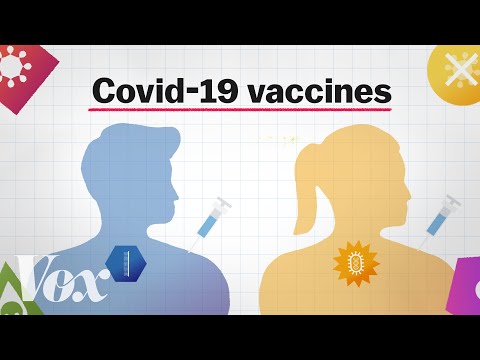 Photo: N43 and Hermes
The COVID-19 vaccines developed in record time used a technology that had been waiting in the wings for three decades. mRNA vaccines represent a new kind of medicine: one that turns the body's own cells into drug factories.
01The Central Dogma: How Cells Read DNA to Make Proteins
Every cell in the human body contains the same DNA, but different cells do different things because they read different genes. The process follows the central dogma of molecular biology: DNA is transcribed into RNA, and RNA is translated into protein.
Messenger RNA (mRNA) is the intermediary. It carries the genetic instructions from DNA in the nucleus to the ribosomes, the cell's protein-making machines. The ribosome reads the mRNA sequence three letters at a time, each triplet coding for a specific amino acid, and builds a protein accordingly.
This process is universal across all life on Earth. Understanding it gave biologists a powerful idea: if you could deliver a specific mRNA sequence into cells, you could make them produce any protein you wanted.
02The Idea: Why Not Send the Instructions Directly
Traditional vaccines work by injecting a weakened or inactivated pathogen, or a piece of it, to train the immune system. mRNA vaccines take a different approach: they deliver the genetic instructions for a viral protein, and let the body's own cells produce it.
The idea was first demonstrated in 1990, when researchers showed that injecting mRNA into mouse muscle cells caused them to produce the encoded protein. But the path from concept to medicine was long. mRNA is fragile, degrades quickly in the body, and triggers an inflammatory response that can be dangerous.
Two key breakthroughs solved these problems. First, chemically modifying the mRNA's building blocks reduced its inflammatory properties. Second, wrapping the mRNA in lipid nanoparticles protected it from degradation and helped it enter cells. These advances, developed over decades by researchers like Katalin Kariko and Drew Weissman, made mRNA vaccines possible.
03Lipid Nanoparticles: The Delivery Revolution
Lipid nanoparticles (LNPs) are tiny spheres of fat-like molecules that encapsulate the mRNA and ferry it into cells. They are the unsung heroes of mRNA vaccines. Without them, the mRNA would be destroyed before it could reach its target.
An LNP consists of several lipid types: ionizable lipids that bind the mRNA and facilitate cell entry, structural lipids that form the particle's shell, cholesterol for stability, and PEG-lipids that prevent aggregation and control particle size.
When the LNP reaches a cell, it merges with the cell membrane and releases the mRNA inside. The ribosomes translate it into protein, the mRNA is degraded within hours, and the protein triggers the immune response. The mRNA never enters the nucleus and does not interact with the cell's DNA.
04The Immune Response: How the Body Learns to Fight
Once the cells produce the viral protein, the immune system recognizes it as foreign. Specialized cells called antigen-presenting cells capture the protein, break it into fragments, and display these fragments on their surfaces to T cells.
Helper T cells coordinate the response, activating B cells to produce antibodies that can neutralize the virus and killer T cells that can destroy infected cells. Memory B and T cells persist after the threat is gone, providing long-term immunity.
mRNA vaccines tend to produce a strong immune response because they activate both the antibody-mediated and cell-mediated arms of the immune system. The inflammatory properties of mRNA, which were once a problem, actually serve as an adjuvant, enhancing the immune response.
05From Lab to World: The COVID-19 Race
The COVID-19 pandemic provided the urgency and funding to bring mRNA vaccines to market in record time. The Pfizer-BioNTech and Moderna vaccines were developed, tested, and authorized in less than a year, a process that typically takes a decade or more.
This speed was possible because the technology had been refined over decades, because the genetic sequence of the virus was available within weeks of its identification, and because governments invested billions in manufacturing and distribution before the vaccines were approved.
The clinical trials showed remarkable efficacy, with both vaccines preventing over 90% of symptomatic infections in initial trials. Real-world data has confirmed their safety and effectiveness, with billions of doses administered globally.
06Beyond COVID: Cancer, Flu, and the Future of mRNA Medicine
The success of mRNA vaccines against COVID-19 has accelerated development of mRNA medicines for other diseases. Cancer vaccines that encode tumor-specific proteins to train the immune system to attack cancer cells are in clinical trials.
Universal flu vaccines that target conserved viral proteins, malaria vaccines, and vaccines for respiratory syncytial virus (RSV) and cytomegalovirus (CMV) are also in development. The technology could also be used for protein replacement therapies, treating genetic diseases by delivering mRNA for missing or defective proteins.
The potential of mRNA medicine extends far beyond infectious disease. If the delivery and stability challenges can be solved, mRNA could become a platform for treating a wide range of conditions, from rare genetic disorders to cancer. The technology that was once considered too risky has proven to be one of the most promising medical innovations of the century.
Video: mRNA vaccines, explained by Vox — approximately 3,001,257 views on YouTube (observed August 2026).
By N43 and Hermes for Sailor Bob News.