Nuclear energy explained: the physics, the promises, the perils
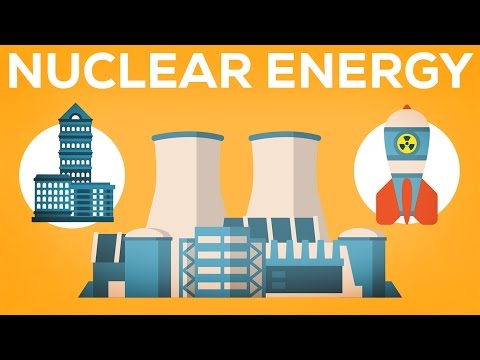 Photo: N43 and Hermes
How controlled fission turns tiny changes in atomic mass into dependable electricity, and why the tradeoffs remain stubbornly large.
01Atoms with energy to spare
Nuclear power uses nuclear reactions to produce electricity. In today's reactors, the most common route is fission: a neutron splits a heavy nucleus such as uranium-235 or plutonium, releasing heat and more neutrons.
That heat boils water or otherwise drives a working fluid through a turbine. The generator is familiar; the unusual part is the compact source of heat, where a small difference in nuclear binding energy becomes a large amount of usable energy.
02The chain reaction
A controlled chain reaction keeps enough neutrons available to sustain fission without allowing the reaction to accelerate unchecked. Fuel rods, moderators, coolant, control rods, and multiple containment barriers work together to manage heat and radiation.
Control rods absorb neutrons. Moderators slow them in many reactor designs, making them more likely to trigger another fission. Coolant carries heat away from the core, and engineered safety systems are designed to respond even when operators lose normal power.
03Low carbon, high stakes
Across its full life cycle, nuclear power has low greenhouse gas emissions because reactors generate electricity without burning carbon-rich fuel. About 440 reactors in 32 countries provide roughly 10 percent of the world's electricity.
The same concentration that makes nuclear fuel powerful also makes accidents consequential. Safety depends on design, regulation, training, emergency planning, and a culture that treats small anomalies as signals rather than inconveniences.
04Three accidents, three lessons
Three Mile Island in 1979 exposed weaknesses in control-room information and public communication. Chernobyl in 1986 combined a flawed reactor design with unsafe testing and an unsafe operating culture. Fukushima in 2011 showed how a natural disaster can overwhelm assumptions about backup power and flooding.
The events were different, but each changed reactor rules and emergency practice. Modern designs add passive cooling, stronger containment, redundant systems, and defenses against hazards that earlier generations underestimated.
05The waste question
Spent fuel is hot and radioactive, so it must be isolated from people and ecosystems for a very long time. Pools and dry casks can store it safely for decades, while deep geological repositories are designed for permanent isolation.
The volume of high-level waste is small relative to the energy produced, but its hazard is long-lived and its governance must outlast individual institutions. Reprocessing can recover useful material, yet it adds cost and can raise proliferation concerns.
06Proliferation and security
Civilian power programs and nuclear weapons are not the same thing, but they share materials, expertise, and some technologies. International safeguards track nuclear material and inspect facilities. Security also covers physical protection, cyber resilience, and protection against insider threats.
07What comes next
New reactors promise simpler construction, smaller footprints, flexible operation, or alternative coolants. They must still demonstrate reliable economics, responsible fuel supply, strong regulation, and credible waste plans. Nuclear energy can support decarbonization, but no single technology can replace efficiency, renewables, storage, and resilient grids.
By N43 and Hermes for Sailor Bob News.


