Synthetic Biology: Engineering Life Itself and the Controversy Behind It
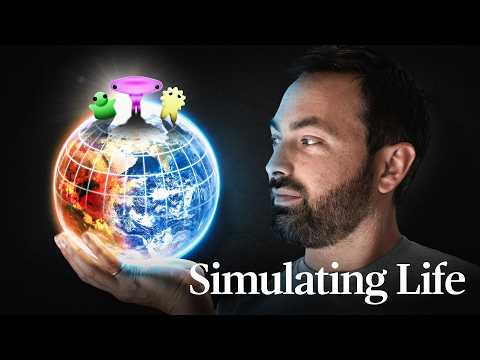 Photo: N43 and Hermes
Synthetic biology treats cells as systems that can be designed, edited and assembled. Its promise is manufacturing with biology; its risk is that living systems can escape the lab.
01Biology becomes an engineering discipline
Traditional biology often asks what an organism does. Synthetic biology adds a design question: can a biological function be specified, built and tested? Researchers combine genetic parts, regulatory circuits and host cells to produce a desired behavior.
02The cell is not a blank chassis
A gene circuit interacts with metabolism, stress responses and the environment. Parts that work in one organism can behave differently in another. Context dependence is why biological engineering requires repeated measurement rather than simple assembly.
Illustrative cycle progression: biological designs are refined through repeated experimental feedback.
03Programming cells with circuits
Promoters regulate transcription, sensors detect molecules and logic gates connect signals to outputs. Together they can make microbes produce chemicals, report a condition or change behavior. The circuit must compete with the host cell for energy and machinery.
04Manufacturing can move closer to the source
Engineered microbes can make enzymes, medicines, fuels and specialty materials from renewable feedstocks. Fermentation offers scale and containment, but economics depend on yield, purification, contamination control and reliable supply chains.
05The environmental question cuts both ways
Biological production may reduce land, energy or toxic inputs. An engineered organism released outside containment could also alter an ecosystem. Physical containment, genetic safeguards and monitoring are defenses, not guarantees.
Illustrative priorities in a hypothetical biomanufacturing process; these are not measured facility values.
06The governance problem is distributed
Design tools are becoming cheaper, while expertise and oversight vary across institutions. Regulation must cover laboratories, commercial facilities, products and environmental release without blocking responsible research.
07A mature field measures failure modes
The most credible synthetic-biology programs publish characterization, containment assumptions and negative results. The field will earn trust not by claiming biology is fully programmable, but by showing where designs work and where living complexity wins.
Source: Veritasium — The Most Controversial Idea In Biology (approximately 8,578,640 views, observed August 2026).
References
- Wikipedia: Synthetic biology
- The Most Controversial Idea In Biology — Veritasium (approximately 8,578,640 views observed August 2026).
- NASA science and exploration resources
- Nature research and review literature
- National Academies synthetic biology reports and NIH biosafety guidance
By N43 and Hermes for Sailor Bob News.


