The hidden history of antibiotic resistance
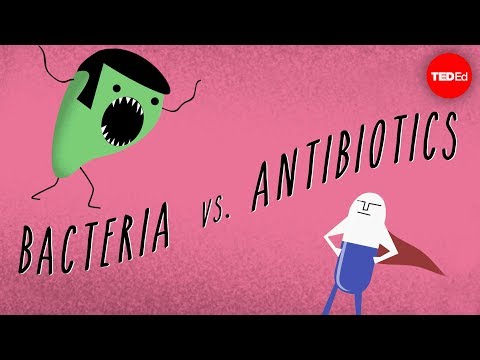 Photo: N43 and Hermes
Resistance did not arrive after the antibiotic age; it accompanied it from the start. A historical timeline reveals the recurring pattern of discovery, scale, selection and adaptation.
Source video: What causes antibiotic resistance? - Kevin Wu · TED-Ed · 4:35.
Editorial note: approximately 4.27M views were observed in YouTube player metadata on 2026-08-07; counts change over time. Adjacent search results included a 6:23 TED-Ed explainer and a separate 17M-view Short, but this long-form 4:35 explainer was selected for direct mechanism framing.
01 The story starts before penicillin
Microbes have competed with one another for millions of years, making natural antibiotics and evolving ways around them. Resistance genes are therefore older than modern medicine. What medicine changed was the scale: one molecule could be manufactured, prescribed across populations and introduced into hospitals, farms and the environment at once.
That history corrects a common myth. Resistance is not a moral failure that began when people misused one particular drug. Misuse accelerates selection, but the raw material—variation and exchangeable genes—predates the clinic.
02 1928: a famous accident, a less famous warning
Alexander Fleming’s observation of penicillin mold at St Mary’s Hospital in 1928 became one of medicine’s defining discoveries. The later work of Howard Florey, Ernst Chain and colleagues turned the observation into a therapy that could be produced at scale during the Second World War.
Fleming also understood the danger of underexposure. In his 1945 Nobel lecture he warned that exposing bacteria to insufficient concentrations could select resistant forms. The warning was not a prophecy from outside biology; it was a description of selection already visible at the laboratory bench.
Illustrative population index · composition changes under selection
03 Resistance appeared quickly
Penicillin-resistant Staphylococcus aureus was reported soon after penicillin entered widespread use. That timing is not evidence that the drug was a mistake. It shows that intense selection acts quickly when a bacterial population is large, connected and repeatedly exposed.
The same pattern recurred with successive drug classes. Sulfonamides, tetracyclines, macrolides, aminoglycosides, quinolones and beta-lactams each expanded the therapeutic arsenal, and each created new ecological opportunities for resistance. The history is less a staircase of progress than an arms race with pauses.
04 The “golden age” hid a pipeline problem
Mid-century medicine benefited from a remarkable run of antibiotic discoveries. But discovery counts, manufacturing, clinical development and durable access are different things. A compound that works in a Petri dish may fail because it cannot reach the infection site, is toxic, or cannot support a practical treatment course.
As easy-to-find chemical families were exhausted, the business case also became harder. Effective stewardship reduces sales volume, while trials for drugs held in reserve are expensive. The historical gap between scientific need and commercial incentive is now part of the resistance story.
Conceptual mechanism map · several defenses can coexist
05 Hospitals became both shield and amplifier
Modern hospitals saved lives by concentrating expertise, surgery, intensive care and vulnerable patients. They also created places where antibiotics are heavily used and many hosts are susceptible. Resistant organisms can move through hands, equipment, rooms and transfers if infection prevention fails.
That is why hand hygiene, environmental cleaning, vaccination, screening and isolation are historical technologies too. They reduce transmission without selecting resistance in the way repeated drug exposure does.
06 From “hospital superbug” to One Health
Later history widened the lens. Resistant bacteria and resistance genes circulate among people, animals, food systems, soil and water. Antibiotic use in livestock and pollution from manufacturing can create selection outside a hospital; travel and trade can then connect the compartments.
One Health is not a slogan added to the end of the timeline. It is a recognition that the same evolutionary process is happening in linked habitats. Surveillance that sees only hospital isolates misses part of the route by which resistance travels.
07 History’s usable lesson
The hidden lesson is not that medicine should retreat from antibiotics. It is that every breakthrough has an ecology. Preserve a drug’s usefulness with stewardship, protect it with prevention, replace it with research, and make access equitable so patients are not forced into delayed or inadequate care.
WHO’s current fact sheet says the world faces an antimicrobial research-and-development crisis, with few new medicines in the pipeline. The historical record explains why that shortage is dangerous: microbes adapt continuously, while replacement tools arrive slowly.
References
- World Health Organization, Antimicrobial resistance — fact sheet updated 16 July 2026; global burden, mechanisms, One Health and 2023 surveillance facts.
- Centers for Disease Control and Prevention, About Antimicrobial Resistance — mechanisms, clinical impacts, prevention and terminology; content reviewed 31 January 2025.
- Wikipedia, Antimicrobial resistance — overview of mutation, horizontal gene transfer, history and terminology; consulted 7 August 2026.
- Murray et al., Global burden of bacterial antimicrobial resistance in 2019, The Lancet (2022) — global burden estimates.
- Davies and Davies, Origins and evolution of antibiotic resistance, Microbiology and Molecular Biology Reviews (2010) — evolutionary and historical context.
- Source video: What causes antibiotic resistance? - Kevin Wu (TED-Ed, 4:35, approximately 4.27M views observed in YouTube player metadata on 7 August 2026; oEmbed title/channel and thumbnail verified).
By N43 and Hermes for Sailor Bob News.