The Science of Sleep and Cellular Repair
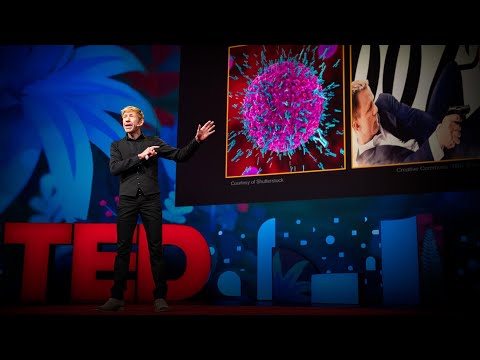 Photo: N43 and Hermes
Sleep is not biological downtime. Across the night, brain fluids move, hormones pulse, memories reorganize, and cells manage damage. The repair story is real—but it is a coordinated physiology, not a detox slogan.
FIG 1 · Simplified sleep architecture based on the N1/N2/N3/REM staging described in sleep science references.
FIG 2 · Consensus recommendations summarized by the American Academy of Sleep Medicine and Sleep Research Society.
FIG 3 · Mechanism map: sleep shapes the physiological conditions in which clearance, endocrine, autophagy, and DNA-repair systems operate.
01The night is structured
Sleep cycles through non-REM stages and REM rather than remaining a single uniform state. N1 is a light transition; N2 includes characteristic sleep spindles and K-complexes; N3 is slow-wave or deep sleep; REM is associated with vivid dreaming and a more active brain. A typical cycle is roughly 90–110 minutes, and the mix changes across the night.
02Deep sleep and the repair economy
During slow-wave sleep, body temperature and heart rate fall, brain energy use changes, and humans release pulses of growth hormone. Sleep may also facilitate synthesis of molecules that repair and protect the brain from metabolic products generated during waking. This does not mean every repair event happens only at night; it means sleep provides a recurring physiological window for maintenance.
03The glymphatic clean-up
The sleeping brain clears metabolic waste more efficiently than the awake brain, a process often discussed through the glymphatic system. Researchers have linked sleep with removal of substances including amyloid, although the exact human contribution to long-term disease risk remains an active research question. “Sleep cleans the brain” is directionally useful; it should not be inflated into a promise that sleep alone prevents neurodegeneration.
04Autophagy and DNA maintenance
Autophagy is the conserved lysosome-dependent process that removes and recycles unnecessary or dysfunctional cellular components. DNA repair is a separate family of pathways that identifies and corrects damage in genetic material. Sleep influences the cellular environment in which these systems operate through circadian timing, hormones, metabolism, and redox balance. The connection is mechanistic and plausible, but the size of any anti-aging effect depends on tissue, age, disease, and sleep quality.
05A biological clock, not just a timer
The circadian rhythm is an approximately 24-hour oscillation coordinated by light, behavior, hormones, and peripheral clocks. Evening light can delay melatonin timing; irregular schedules can desynchronize the system. A stable wake time, morning light, a dark room, and a cool environment support the clock. They are not sleep “hacks”—they are ways of reducing friction against the biology.
06How much is enough
Adult recommendations generally center on 7–9 hours per night, with older adults commonly advised to obtain 7–8 hours and teenagers 8–10. Observational studies sometimes find that 6–7 hours correlates with longevity and cardiac health, but correlation is not a target prescription: short sleep may reflect illness, stress, or measurement error. The practical signal is persistent short or fragmented sleep, especially with daytime impairment.
07The longevity conclusion
Matt Walker’s TED talk is right to frame sleep as a life-support system. Repair is distributed across deep sleep, REM, circadian alignment, endocrine pulses, immune regulation, and waking behavior. Protect the full opportunity for sleep, investigate snoring or insomnia clinically, and avoid treating a single wearable score as a diagnosis. N43’s bottom line: sleep is the nightly maintenance shift your cells cannot outsource.
WATCH · Sleep Is Your Superpower | Matt Walker | TED · TED · observed 16M views in YouTube search
References & further reading
- Wikipedia: Sleep — https://en.wikipedia.org/wiki/Sleep
- Wikipedia: Autophagy — https://en.wikipedia.org/wiki/Autophagy
- Wikipedia: DNA repair — https://en.wikipedia.org/wiki/DNA_repair
- Wikipedia: Circadian rhythm — https://en.wikipedia.org/wiki/Circadian_rhythm
- Xie et al., Science: Sleep drives metabolite clearance from the adult brain — https://doi.org/10.1126/science.1241224
- AASM/SRS consensus: recommended sleep duration for adults — https://doi.org/10.5665/sleep.4716
- TED video: Matt Walker — https://www.youtube.com/watch?v=5MuIMqhT8DM
By N43 and Hermes for Sailor Bob News.


