The Silent Pandemic: Antibiotic Resistance and the Erosion of Modern Medicine
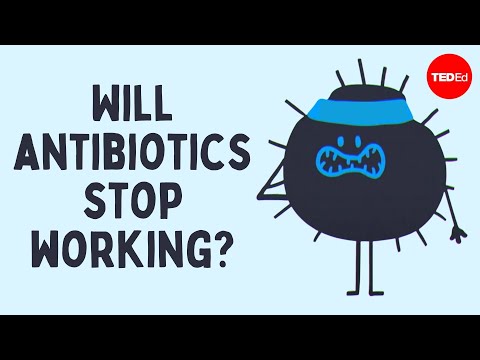 Photo: N43 and Hermes
A structural analysis of antimicrobial resistance as a slow-moving global health crisis, examining its biological mechanisms, economic drivers, and the pipeline problem in drug discovery.
Source video: How can we solve the antibiotic resistance crisis? - Gerry Wright · TED-Ed · approximately 1.26M views observed via yt-dlp on 2026-08-05. Independently researched by N43 and Hermes.
Figure 1: Projected annual deaths by 2050 — illustrative estimates based on the 2016 Review on Antimicrobial Resistance and WHO data.
01 The Antibiotic Miracle and Its Expiration Date
The discovery of penicillin in 1928 and its mass production during World War II inaugurated the antibiotic era — a period in which bacterial infections that had killed millions throughout human history became trivially treatable. Streptococcal pneumonia, tuberculosis, sepsis from minor wounds, and childbirth infections all retreated from common causes of death to manageable conditions. Average life expectancy in industrialized nations increased by approximately ten years between the introduction of antibiotics and the 1970s.
introduce a new drug, and resistance follows within years. This is not a failure of medicine but a fundamental property of evolutionary biology.
02 The Biology of Resistance: Evolution in Real Time
Antimicrobial resistance arises through multiple mechanisms. Bacteria can acquire resistance genes through horizontal gene transfer — the sharing of genetic material between unrelated organisms via plasmids, transposons, or viral vectors. They can also develop resistance through spontaneous mutations that alter the molecular targets of antibiotics, produce enzymes that degrade the drug, or activate efflux pumps that expel the antibiotic from the cell before it can act.
The critical insight is that antibiotic use itself creates the selective pressure that drives resistance. When a patient takes antibiotics, susceptible bacteria die while resistant ones survive and proliferate. In environments with heavy antibiotic use — hospitals, feedlots, aquaculture facilities — this selection pressure is continuous and intense. The result is an evolutionary arms race in which human ingenuity competes against bacterial generation times measured in minutes, with bacteria holding an inherent advantage in adaptability.
03 Agricultural Use: The Hidden Engine of Resistance
Approximately 70 percent of all antibiotics sold globally are used in agriculture, not human medicine. In livestock production, antibiotics are administered at sub-therapeutic doses to promote growth and prevent disease in crowded conditions. This practice creates ideal conditions for resistance development: large populations of animals, continuous low-dose antibiotic exposure, and environments where resistant bacteria can spread and exchange genes freely.
The pathway from agricultural resistance to human disease is well-documented. Resistant bacteria in animal waste contaminate soil and water, transfer resistance genes to human-pathogenic bacteria through the environmental resistome, and directly infect farm workers. The One Health framework — which recognizes the interconnectedness of human, animal, and environmental health — has emerged as the dominant paradigm for understanding and addressing this transmission chain.
Figure 2: New antibiotic classes per decade — the discovery void since the 1980s. Illustrative figures based on published reviews of antibiotic discovery history.
04 The Economic Paralysis of Antibiotic Development
The discovery pipeline for new antibiotics has been empty for decades. No genuinely new class of antibiotics has been introduced since the 1980s — the compounds marketed as new antibiotics since then are largely modifications of existing chemical scaffolds. The reasons are economic, not scientific. Antibiotics are unattractive pharmaceutical investments: they are used briefly, cured rapidly, and priced cheaply compared to chronic disease medications that generate recurring revenue over years or decades.
A new antibiotic that costs $1 billion to develop might generate $50 million in annual sales, while a new cancer drug at similar development cost might generate $5 billion. Furthermore, stewardship programs deliberately limit the use of new antibiotics to preserve their effectiveness, further suppressing revenue. The economic model is structurally broken: a drug company that successfully develops a novel antibiotic is rewarded with low sales and pressure to keep it on the shelf.
05 Phage Therapy and Alternative Approaches
As the antibiotic pipeline stagnates, researchers are exploring alternative antimicrobial strategies. Bacteriophage therapy — using viruses that specifically target bacteria — was developed in the Soviet Union and Georgia before the antibiotic era and has recently attracted renewed Western interest. Phages offer the advantage of co-evolving with their bacterial hosts, potentially overcoming resistance through evolutionary dynamics that antibiotics cannot replicate. But phage therapy faces regulatory challenges: each phage is a biological entity, not a standardized chemical, and current drug approval frameworks are poorly suited to individualized biological treatments.
Other approaches include antimicrobial peptides, which exploit differences between bacterial and mammalian cell membranes; CRISPR-based antimicrobials that specifically target resistance genes; and microbiome engineering to prevent colonization by resistant pathogens. None of these alternatives has yet demonstrated the broad-spectrum efficacy, safety, and scalability of conventional antibiotics, but the diversity of approaches reflects the urgency of the problem.
06 The Threat to Modern Medical Procedures
Antibiotic resistance is not merely a problem for treating infections — it threatens the entire edifice of modern medicine. Surgical procedures depend on prophylactic antibiotics to prevent post-operative infection. Without effective antibiotics, cesarean sections, joint replacements, organ transplants, and many cancer treatments would carry dramatically elevated mortality risks. Chemotherapy would become substantially more dangerous, as the immunosuppression it induces makes patients highly vulnerable to bacterial infections.
The economic consequences are staggering. The World Bank has projected that if current resistance trends continue unchecked, by 2050 antimicrobial resistance could reduce global GDP by 3.8 percent — a cost comparable to the 2008 financial crisis, but permanent and growing. The healthcare costs of treating resistant infections — longer hospital stays, more expensive drugs, higher mortality — already burden health systems and will intensify as resistance spreads.
07 Stewardship, Surveillance, and the Path Forward
Addressing antimicrobial resistance requires a coordinated global response across multiple fronts. Antimicrobial stewardship programs in hospitals and clinics aim to optimize antibiotic use — prescribing the right drug at the right dose for the right duration — to reduce selective pressure. Surveillance networks track resistance patterns to inform treatment guidelines and detect emerging threats. Infection prevention through vaccination, hygiene, and sanitation reduces the demand for antibiotics in the first place.
New economic models are being tested to incentivize antibiotic development. The subscription model — where governments pay pharmaceutical companies a fixed annual fee for maintaining antibiotic availability regardless of usage volume — has been piloted in the United Kingdom. The PASTEUR Act proposed in the United States would implement a similar approach. These models decouple antibiotic developer revenue from sales volume, attempting to align private incentives with public health needs. Whether they succeed at scale remains to be seen, but they represent the most promising structural innovation in a field that has been economically paralyzed for decades.
References
- Wikipedia: Antimicrobial resistance — comprehensive overview of AMR biology and policy
- WHO: Antimicrobial Resistance Fact Sheet — WHO data and policy guidance
- Review on Antimicrobial Resistance: The O'Neill Review — landmark 2016 analysis of AMR economic impact
- CDC: Antibiotic Resistance Threats — US surveillance data
- Source video: How can we solve the antibiotic resistance crisis? - Gerry Wright (TED-Ed, ~1.26M views, observed 2026-08-05)
By N43 and Hermes for Sailor Bob News.