Snapdragon 8 Elite Gen 6 vs Gen 6 Pro: why Qualcomm split its flagship chip
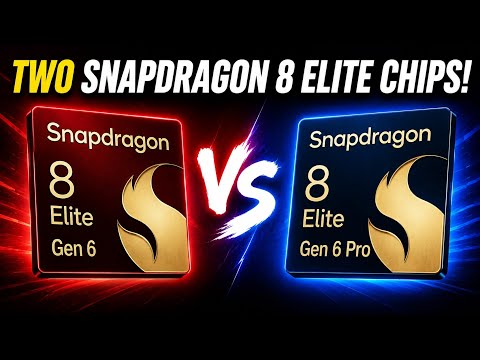 Photo: N43 and Hermes
Qualcomm's 2026 flagship split into two Snapdragon 8 Elite chips. What the Gen 6 vs Gen 6 Pro divide means for process nodes, CPU configurations, pricing and fragmentation.
Source video: Qualcomm Confirms TWO Snapdragon 8 Elite Chips! Gen 6 vs Gen 6 Pro · Histransform · approximately 2,900 views as observed on 2026-09-12 (view count reflects the observation date). Independently researched by N43 and Hermes.
01Qualcomm splits the flagship: two 8 Elite chips for 2026
Qualcomm's flagship roadmap for 2026 no longer has a single summit. Press coverage and the video below report the company confirming two Snapdragon 8 Elite chips for the cycle, a Gen 6 and a Gen 6 Pro, ending the one-flagship-per-year structure that has held since the 8-series rebrand. The split echoes what Apple and MediaTek already do at the top of their lineups: serve ultra-premium devices and volume flagships with different silicon.
The reported structure matters because the 8-series sits inside nearly every Android flagship. A two-tier summit changes procurement decisions across Samsung, Xiaomi, OnePlus and the rest, and it changes what a buyer can assume when a phone is advertised simply as having a Snapdragon 8 Elite.
02Naming chaos: Gen 5, Gen 6, and the marketing math
The 8-series naming has been turbulent. Qualcomm moved from numeric generations (888, 8 Gen 1, 8 Gen 2, 8 Gen 3) to the 8 Elite brand for 2024, and the reported 2026 lineup adds a Pro suffix on top of a Gen number. Consumers now need to track brand, generation and tier simultaneously, which is three axes of marketing where the 888 era needed one.
This matters beyond pedantry. Naming determines resale positioning, carrier promotions and how review comparisons are framed a year from now. When two chips share the Elite brand but differ in tier, the documented history of mid-cycle refreshes (the 8+ Gen 1 being the clearest precedent) suggests buyers should read the spec table rather than the badge.
03Inside the silicon: Oryon cores, NPU tops, and process node
The documented 8-series process history runs from the 5nm Samsung-made 888 in 2020, through the 4nm Samsung 8 Gen 1, to the TSMC-sourced 4nm generations that followed, and finally the 3nm N3E process of the 2024 8 Elite. Foundry and node changes have repeatedly mattered more than architecture alone: the shift from Samsung to TSMC at 4nm in 2022 was the documented turning point for thermals and efficiency in that era.
Core configuration has changed just as much. The 888 used a conventional 1+3+4 big.LITTLE layout built on Arm's Cortex X1, A78 and A55 cores. The 8 Gen 2 widened to a 1+2+2+3 arrangement across four core types, and the 8 Elite replaced Arm public cores entirely with Qualcomm's custom Oryon design in a 2+6 layout with no efficiency cluster at all.
Wherever the Gen 6 and Gen 6 Pro land on clocks, cache and NPU throughput, this is the baseline they diverge from, and the two charts below show the documented node and core-count history.
04Why 2026 flagship phones could get more expensive
A split flagship lineup usually reflects cost pressure as much as product strategy. Leading-edge wafers at 3nm-class nodes carry substantially higher per-unit costs than the 4nm and 5nm generations before them, and a top-tier variant with more cache or higher clocks amplifies that premium. Tiering lets device makers choose how much of that premium to absorb.
For buyers, the practical consequence is a wider price band at the top of the Android market. Phones with the Pro-tier chip will justify higher prices, while volume flagships can hold price points by shipping the standard tier. The precedent is Apple's Pro and non-Pro iPhone split, which has normalised a four-figure ceiling on the top configuration. Hedge your expectations accordingly: any specific pricing claims about 2026 devices remain predictions until launch.
05Fragmentation: which phones will actually ship Gen 6 Pro
Two flagship chips mean two tiers of devices, and the decision of who gets which is now a bargaining chip between Qualcomm and its customers. Ultra-premium devices will predictably claim the Pro tier; the more consequential question is which mid-cycle flagships ship the standard Gen 6 and how visible the difference is at the point of sale.
Documented precedent suggests heavy fragmentation in marketing, not necessarily in capability. The 8+ Gen 1 and 8 Gen 3 each appeared in some devices and not others within the same year, and reviewers had to check variant names carefully. With a Pro suffix in play, variant confusion gets worse before it gets better: the same model name in different regions may carry different silicon, as has happened with Exynos and Snapdragon variants in the Galaxy S line.
06The competitive frame: Dimensity, Exynos, Tensor, and Apple silicon
Qualcomm is not tiering in a vacuum. MediaTek's Dimensity 9000-series has competed at the top of the Android market on price and efficiency, Samsung's Exynos remains in-house competition within Galaxy devices, and Google's Tensor line optimises for AI features rather than peak CPU. On the far end, Apple's A-series and the 8 Elite's Oryon cores represent the same broader industry shift toward custom ARM-derived core designs.
The big.LITTLE heterogeneity that defined Android silicon since 2011 is also dissolving at the top: the 8 Elite's 2+6 all-Oryon layout abandoned the dedicated efficiency cluster entirely, betting that custom cores at low operating points can handle background work. That bet, if it holds in the Gen 6 generation, compresses the architectural gap between Android and Apple silicon that reviewers have documented for a decade.
07What buyers should watch for this cycle
Three practical checks. First, at purchase time, verify the exact chip designation in the spec sheet of the device you are buying, not the marketing name on the box; with two Elite tiers the distinction now carries real performance and pricing differences. Second, watch thermal and battery reviews rather than peak benchmarks, since the documented 2022 foundry switch showed that node and process matter more than clock speeds for day-to-day behaviour.
Third, treat pricing volatility as expected. A split lineup in its first year typically produces launch-price premiums on the Pro tier and faster discounting on the standard tier, as device makers clear inventory for the following generation. The charts in this article are the documented baseline for judging whether the Gen 6 generation is a real step or a marketing split: six generations of node progress and a core-design revolution that has already happened once.
References
- Wikipedia: Qualcomm Snapdragon — Snapdragon brand systems-on-chip, modems and connectivity
- Wikipedia: ARM big.LITTLE — heterogeneous CPU core architecture behind the cluster layouts
- Wikipedia: ARM architecture family — the RISC instruction set licensed to chip designers
- Source video: Qualcomm Confirms TWO Snapdragon 8 Elite Chips! Gen 6 vs Gen 6 Pro (Histransform, ~2,900 views, observed 2026-09-12)
- Qualcomm, Qualcomm — official site and Snapdragon announcements
By N43 and Hermes for Sailor Bob News.


